Staring down a new semester (or even a new school year) can feel overwhelming. But before you get bogged down in textbooks and late-night study sessions, take a moment to map out where you want to go. Thinking clearly about your educational goals examples is the crucial first step to steering your learning journey and making the most of your time and effort.
At a glance:
- Uncover specific educational goals examples tailored to different learning levels and needs.
- Learn how to craft SMART goals to maximize your chances of success.
- Discover strategies to stay accountable and overcome obstacles.
- Find actionable tips to integrate goal-setting into your daily academic routine.
Why Vague Aspirations Fall Short: The Power of Specificity
"Do better in school." "Learn more." These sentiments are well-intentioned, but they're too broad to provide real direction. Think of it like trying to navigate without a map – you might eventually reach somewhere, but it probably won't be your desired destination. Let’s explore why specific educational goals examples are vital for academic achievement.
Consider these two scenarios:
- Vague Goal: "Improve my writing skills."
- Specific Goal: "Write and publish one well-researched article monthly on topics related to my history class."
The second goal provides a clear target, making it easier to develop a plan and track progress. It transforms a general desire into an actionable objective.
SMART Goals: A Blueprint for Achievement
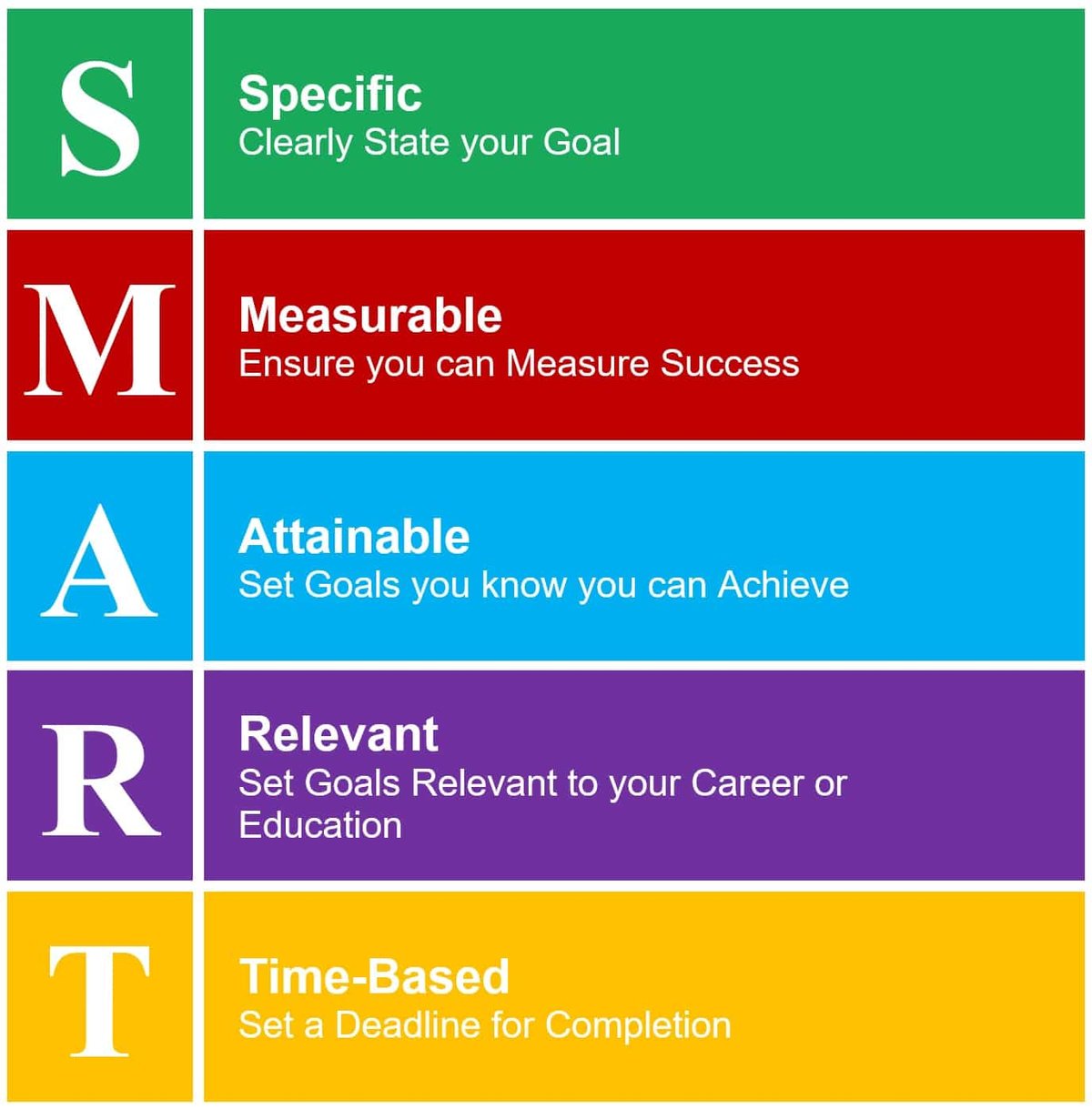
The SMART framework is your secret weapon for turning vague aspirations into concrete plans. Each letter stands for a crucial element:
- Specific: Clearly define what you want to achieve.
- Measurable: Establish criteria to track your progress.
- Achievable: Set realistic goals within your capabilities and resources.
- Relevant: Ensure your goals align with your overall academic objectives and personal interests.
- Time-bound: Set a deadline to create a sense of urgency and maintain focus.
Let’s revisit the "Improve my writing skills" example. Using the SMART framework, this could become: "Improve my persuasive writing skills by completing one practice essay per week and receiving feedback from my professor, resulting in a B+ or higher on my next argumentative essay by the end of the month."
Educational Goals Examples Across Different Stages
Educational goals aren't one-size-fits-all. They vary depending on your level of education and your individual aspirations.
Elementary School: Focus on foundational skills like reading, writing, and basic math.
- Example: "Improve reading speed and comprehension to read one grade-level book per week and answer comprehension questions with 80% accuracy by the end of the semester."
Middle School: Emphasize subject mastery, problem-solving, and time management. - Example: "Master pre-algebra concepts to achieve a B or higher on all quizzes and tests in math class this quarter."
High School: Prepare for college or vocational training, develop leadership skills, and pursue personal interests. - Example: "Prepare for college by achieving a score of 1200 or higher on the SAT and completing college applications by November 1st."
College: Maintain a strong GPA, network with professionals, and gain practical experience through internships or research. - Example: "Secure a summer internship in my field of study (Marketing) by attending two career fairs and submitting five internship applications by March 15th."
Lifelong Learner: Embrace continuous growth through reading, online courses, workshops, and self-study. - Example: "Complete one online course related to data analytics per quarter to enhance my professional skills."
Strategies for Teachers: Guiding Students to SMART Goals
Teachers play a pivotal role in helping students set and achieve meaningful educational goals. Here are some strategies to use SMART goals with learners:
- Facilitate Goal Setting: Guide students in setting specific goals by asking them to answer the ‘W’ questions:
- What do I want to improve?
- Who can provide support?
- Why is this goal important to me?
- When do I aim to achieve this goal?
- Make it Measurable: Help students identify tangible ways to measure their progress.
- Break it Down: Encourage them to break larger goals into smaller, manageable milestones.
- Reality Check: Help students assess the realism and attainability of their goals.
- Open Discussion: Foster a classroom environment where students can discuss their goals and seek feedback.
- Set Timelines: Set deadlines for achieving goals to create a sense of urgency and accountability.
Overcoming Obstacles and Staying Accountable
Even with well-defined goals, you'll inevitably face challenges. Setbacks are a normal part of the learning process. The key is to develop strategies for overcoming obstacles and maintaining motivation.
Accountability Partners: Share your goals with a friend, family member, or mentor who can provide support and encouragement.
Progress Tracking: Keep a journal or use a tracking app to monitor your progress. Regularly review your accomplishments and identify areas where you need to adjust your approach.
Milestone Celebrations: Reward yourself for reaching milestones to stay motivated and reinforce positive habits.
Growth Mindset: Embrace challenges as opportunities for growth. View setbacks as temporary and focus on what you can learn from them. If you're aiming to achieve financial literacy but struggle with budgeting, view each failed budget as a learning opportunity to refine your strategies, rather than a reason to give up.
The Power of Time Management and Effective Study Habits
Efficient time management is essential for achieving your educational goals. Here are some tips to maximize your productivity:
- Create a Detailed Schedule: Allocate specific time slots for studying, attending classes, and completing assignments.
- Prioritize Tasks: Focus on the most important and urgent tasks first.
- Eliminate Distractions: Create a study environment free from distractions, such as social media and noisy environments.
- Take Breaks: Regular breaks can improve focus and prevent burnout.
- Use Time Management Techniques: Explore techniques like the Pomodoro Technique to enhance productivity.
Beyond time management, effective study habits can significantly contribute to your academic success. Consider these practices: - Attend Every Class: Active participation in class enhances understanding and retention.
- Show Up Early: Arriving early allows you to settle in and prepare for the lesson.
- Sit in the Front: Minimize distractions and increase engagement by sitting closer to the instructor.
- Study Daily: Regular, consistent study sessions are more effective than cramming.
- Study in the Library: The library provides a quiet and conducive environment for focused study.
- Learn Better Note-Taking Techniques: Effective note-taking is crucial for capturing key information and reviewing material later.
Is it Time to Realign Your Academic Goals? Re-evaluating and Adapting
Sometimes, even with the best-laid plans, circumstances change. Don't be afraid to re-evaluate your goals if they no longer align with your interests, abilities, or available resources. Here’s how to know when it's time to adjust:
- Regular Review: Schedule regular check-ins (e.g., monthly or quarterly) to assess your progress and the relevance of your goals.
- Identify Obstacles: If you consistently encounter significant obstacles that hinder your progress, it may be time to re-evaluate.
- Seek Feedback: Talk to your teachers, mentors, or advisors to get their perspective on your goals and progress.
- Stay Flexible: Be willing to adjust your goals based on new information or changing circumstances.
- Celebrate Successes: Acknowledge and celebrate your achievements, even if you need to adjust your goals along the way.
For example, if you initially planned to "Complete a research project on climate change impacts by the end of the academic year," but discover that your research interests have shifted to renewable energy sources, it's perfectly acceptable to adapt your goal accordingly.
Need some more help with creating your academic goals? Set academic goals now.
Quick Answers to Common Questions
Q: What if I don't know what my educational goals are?
A: That's perfectly normal! Start by exploring your interests, strengths, and values. Talk to teachers, mentors, and professionals in fields that interest you. Consider your long-term career aspirations and identify the skills and knowledge you need to achieve them.
Q: How many educational goals should I set?
A: There's no magic number. Focus on a few key goals that are aligned with your priorities. Avoid setting too many goals, as this can lead to overwhelm and decreased motivation.
Q: What if I fail to achieve my educational goals?
A: Failure is a part of the learning process. Don't be discouraged. Analyze what went wrong and learn from your mistakes. Adjust your goals or strategies as needed and keep moving forward. Remember, resilience and perseverance are key to achieving long-term success.
Q: How can I make my goals seem less daunting?
A: Break them down into smaller, more manageable steps. Celebrating small wins along the way can provide a sense of accomplishment and keep you motivated.
Your Actionable Playbook to Set and Achieve Educational Goals
Ready to take charge of your learning journey? Here's a quick-start guide:
- Reflect: Consider your interests, strengths, and long-term aspirations.
- Define: Write down 2-3 specific, measurable, achievable, relevant, and time-bound educational goals.
- Plan: Develop a detailed plan of action, outlining the steps you need to take to achieve each goal.
- Track: Monitor your progress regularly and make adjustments as needed.
- Celebrate: Acknowledge and reward your achievements along the way.
- Adjust: Re-evaluate goals and strategies as needed.
By embracing the power of specific, measurable, and actionable educational goals examples, you can transform your academic journey from a passive experience to a proactive pursuit of knowledge, skills, and personal growth.