Staring down the barrel of college? It’s exciting, sure, but also kinda… terrifying. Juggling classes, social life, and figuring out your future is a lot. That's where setting smart educational goals for college comes in. Think of them as your personal GPS, guiding you through the maze and keeping you on track to where you want to be.
At a glance:
- Craft crystal-clear, achievable educational goals for college that align with your overall vision.
- Learn how to break down overwhelming long-term aspirations into manageable short-term steps.
- Discover strategies to stay motivated, track your progress, and adapt when things don't go as planned.
- Understand common pitfalls in goal-setting and how to avoid them.
- Get inspired by real-life examples of educational goals for college students.
Why Bother Setting Educational Goals in College?
College isn't just about acing exams and earning a degree. It's about personal growth, skill development, and preparing for life beyond the campus gates. But without clear educational goals for college, it’s easy to drift. Maybe you change your major four times (and rack up unnecessary credits), or you graduate without a clear sense of direction.
Goals help you:
- Stay Focused: Prioritize tasks and avoid distractions.
- Maximize Your Time: Make the most of every semester.
- Boost Motivation: See progress and stay engaged.
- Increase Confidence: Achieve milestones and build self-esteem.
- Gain Clarity: Define your passions and career aspirations.
Think of it like this: would you start a road trip without knowing your destination? Probably not. Your educational goals for college are your destination.
The SMART Way to Aim High: Crafting Effective Educational Goals
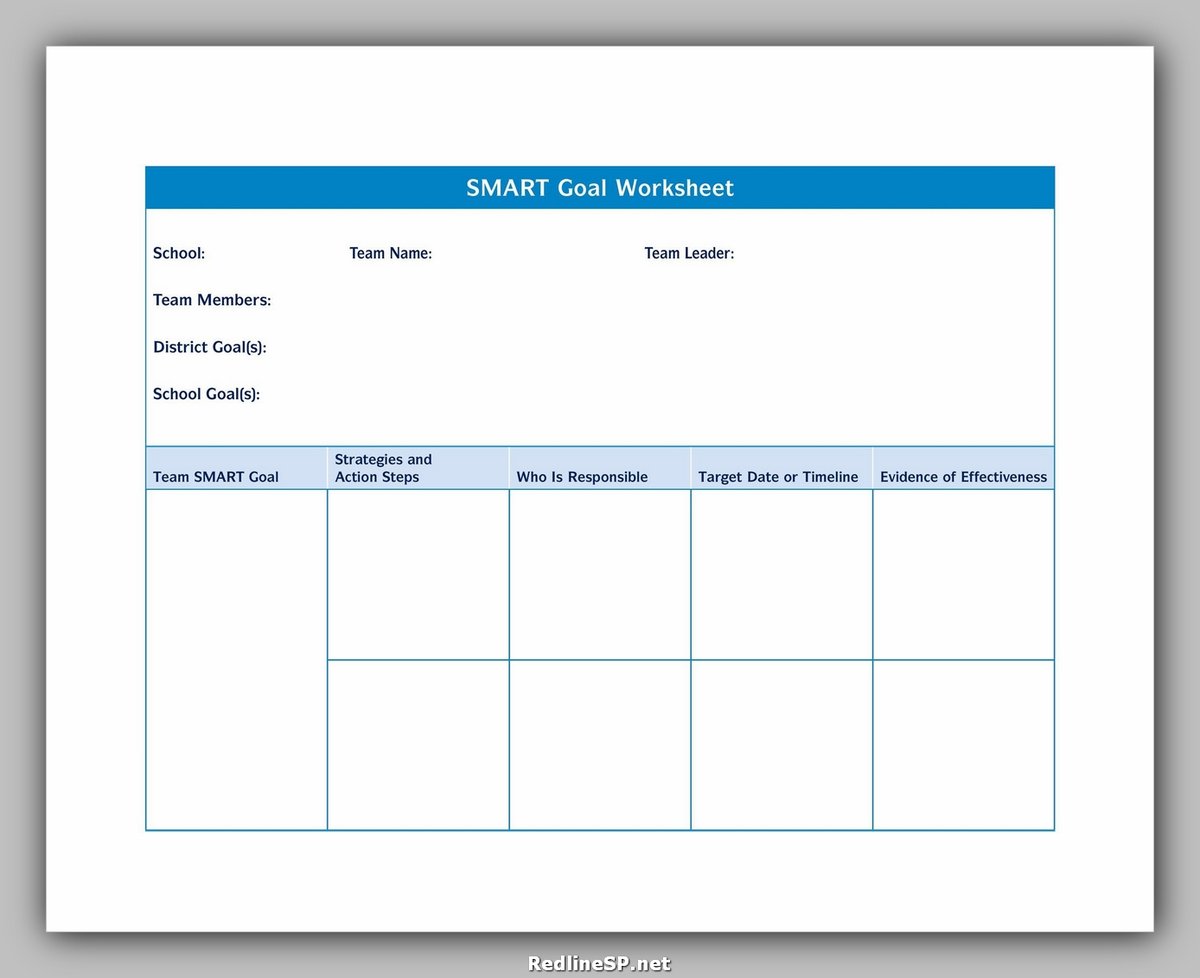
You’ve probably heard of SMART goals. But simply knowing the acronym isn’t enough. Let's break down how to apply it practically to your educational goals for college:
- Specific: Instead of "Do better in math," try "Increase my grade in Calculus I by one letter grade this semester." What exactly do you want to achieve?
- Measurable: "Earn a 3.5 GPA" is measurable. You can track your progress each semester. How will you know when you've reached your goal?
- Achievable: Be realistic about your capabilities and resources. Aim high, but don't set yourself up for failure. Is this goal within reach with your current skills and the time you have available?
- Relevant: Does the goal align with your values, interests, and long-term aspirations? Does it actually matter to you?
- Time-bound: Set a deadline. "Complete my internship application by November 15th" creates a sense of urgency. When do you want to achieve this goal?
Example:
A weak goal: "Get good grades."
A SMART goal: "Achieve a 3.7 GPA in my sophomore year by dedicating 2 hours to studying per weeknight and attending all professor office hours."
Short-Term vs. Long-Term Educational Goals: A Balancing Act
Think of your educational journey as a staircase. Long-term goals are at the top (graduation, career aspirations), while short-term goals are the individual steps that get you there.
Short-Term (Semester-Based):
- Academic: "Complete all readings for my history class each week."
- Skill-Based: "Learn basic Python programming by the end of the semester."
- Networking: "Attend at least two career fairs this semester."
Long-Term (Multi-Year): - Career: "Secure an internship in my chosen field before junior year."
- Academic: "Graduate with honors."
- Personal Development: "Become fluent in Spanish by graduation."
Practical Tip: Break down your long-term educational goals for college into smaller, manageable short-term goals. This makes the overall objective less daunting and provides a clear roadmap.
Real-World Examples of Educational Goals For College Students
Let's look at some relatable scenarios and how students are using structured goals to make the most of their college time.
Scenario 1: The Aspiring Doctor
- Long-Term Goal: Get accepted into medical school after graduation.
- Short-Term Goals:
- Achieve a high GPA in pre-med courses (Specific, Measurable).
- Volunteer at a local hospital for 4 hours per week (Specific, Measurable, Time-bound).
- Shadow a physician during the summer break (Specific, Time-bound).
- Prepare for and take the MCAT exam (Specific, Time-bound).
Scenario 2: The Budding Entrepreneur - Long-Term Goal: Launch a successful startup after graduation.
- Short-Term Goals:
- Take business courses in marketing, finance, and management (Specific).
- Attend entrepreneurship workshops and networking events (Specific, Measurable).
- Participate in a business plan competition (Specific, Time-bound).
- Develop a minimum viable product (MVP) for their startup idea (Specific, Measurable, Time-bound).
Scenario 3: The Future Teacher - Long-Term Goal: Obtain a teaching license and secure a teaching position after graduation.
- Short-Term Goals:
- Maintain a high GPA in education courses (Specific, Measurable).
- Participate in student teaching opportunities (Specific, Time-bound).
- Join the Education Club to network with current educators (Specific).
- Create a professional teaching portfolio (Specific, Time-bound).
Staying on Track: Monitoring Progress and Adapting Your Goals
Setting educational goals for college is just the first step. Regularly monitoring your progress and making adjustments along the way is crucial. Here's how:
- Track Your Progress: Use a planner, spreadsheet, or app to track your progress on each goal.
- Regular Reviews: Schedule weekly or monthly check-ins to assess your progress and identify any roadblocks.
- Adapt When Needed: Life happens. Be prepared to adjust your goals if circumstances change. Maybe you realize your initial major isn't the right fit, or a professor recommends a beneficial internship. Flexibility is key.
- Celebrate Small Wins: Acknowledge and reward yourself for achieving milestones. This boosts motivation and reinforces positive habits.
Enhance your learning with goal-setting – that's a great first step. But remember, your academic journey is a marathon, not a sprint. Consistent effort and a willingness to adapt are essential for long-term success.
Potential Pitfalls and How to Avoid Them
Goal-setting isn't always smooth sailing. Here are some common pitfalls and how to steer clear:
- Setting Unrealistic Goals: Avoid overwhelming yourself with overly ambitious goals. Break them down into smaller, more manageable steps.
- Lack of Motivation: Connect your goals to your passions and values. Find ways to stay motivated, such as rewarding yourself for achieving milestones or finding a study buddy.
- Procrastination: Break down large tasks into smaller, more manageable steps. Use time management techniques like the Pomodoro Technique to stay focused.
- Fear of Failure: Remember that failure is a part of the learning process. Don't let fear hold you back from pursuing your goals. View setbacks as opportunities for growth.
- Lack of Support: Surround yourself with supportive friends, family, and mentors who can encourage you along the way.
Your Educational Goals for College Playbook: A Quick Start
Ready to translate theory into action? Here’s a quick guide to get you started:
- Brainstorm: Grab a notebook and jot down your aspirations for college. Think big, then refine later.
- Prioritize: What truly matters to you? Rank your aspirations by importance.
- SMART-ify: Take your top three aspirations and turn them into SMART goals.
- Break It Down: Deconstruct each SMART goal into smaller, actionable steps.
- Track & Review: Choose a system (planner, app, spreadsheet) to monitor your progress regularly.
- Adjust & Celebrate: Stay flexible, adapt when needed, and reward yourself for milestones achieved!
Quick Answers: FAQs about Educational Goals and College
Q: What if I don’t know what I want to do yet?
A: That’s okay! Focus on exploring different subjects, joining clubs, and trying new things. Your goals can evolve as you discover your passions. Set goals around exploration: "Try out two new student clubs this semester."
Q: Should my goals be solely academic?
A: Not necessarily. While academics are important, consider goals related to personal development, networking, and extracurricular activities. College is a holistic experience.
Q: How often should I review my goals?
A: At least once a month. Regular reviews help you stay on track and make necessary adjustments.
Q: What if I fail to achieve a goal?
A: Don't be discouraged. Analyze what went wrong, learn from the experience, and adjust your goals accordingly. Failure is a valuable learning opportunity.
Q: Are rewards really necessary?
A: They can be a powerful motivator, especially for tasks you find challenging. Choose rewards that are meaningful to you.
Your College Journey, Your Goals
Ultimately, your educational goals for college are personal. They should reflect your values, interests, and aspirations. By setting SMART goals, tracking your progress, and staying adaptable, you can make the most of your college experience and achieve your full potential. Start small, stay focused, and enjoy the journey!