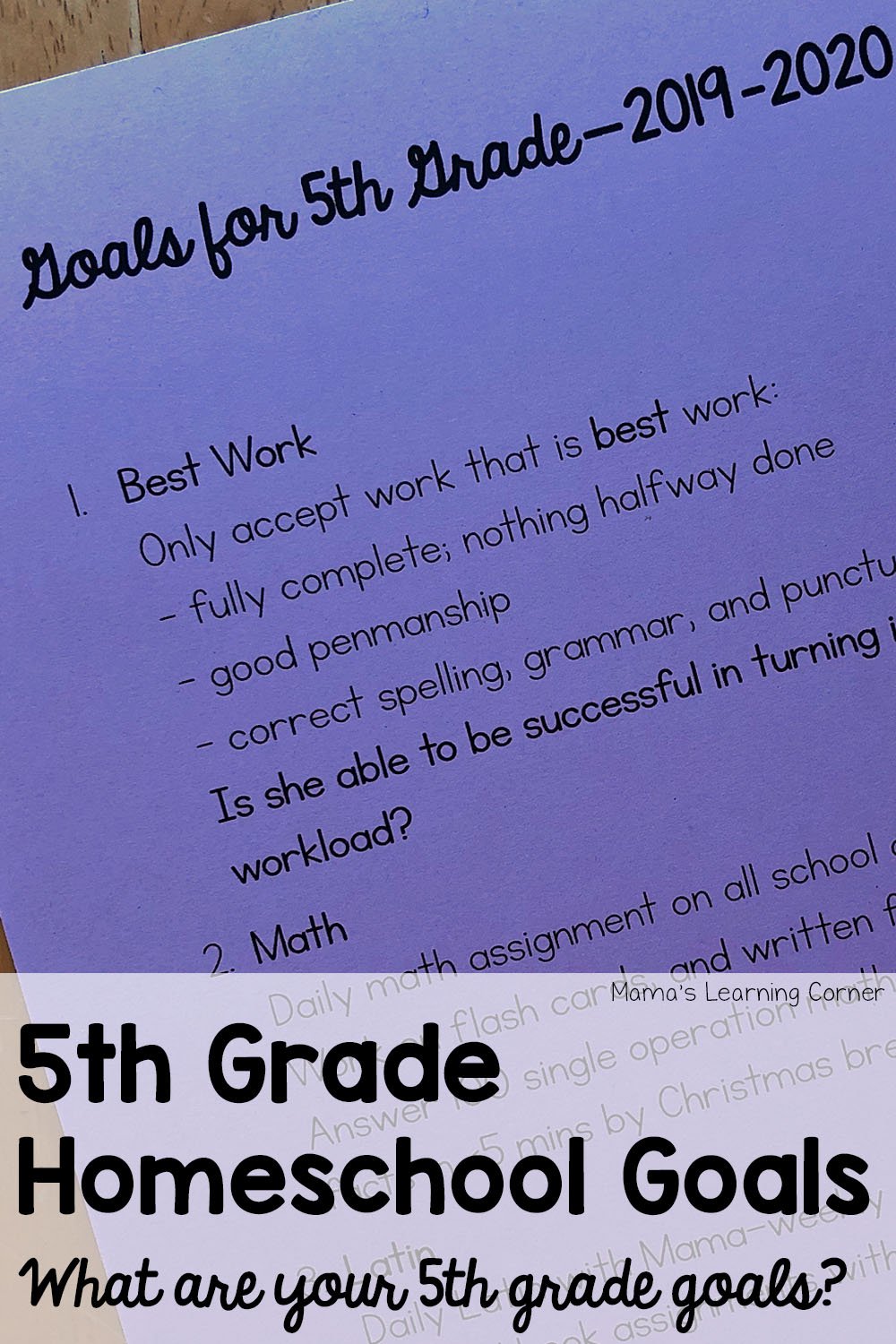
Is your child heading into 5th grade? It's a pivotal year—a bridge between elementary foundations and the more complex learning of middle school. Setting appropriate goals can make a significant difference in their confidence, academic performance, and overall development. Let's explore some practical examples of goals for my child in 5th grade that can help them thrive.
At a glance:
- Fifth grade is a fantastic time to instill the importance of goal-setting.
- Use the SMART framework (Specific, Measurable, Achievable, Relevant, Time-bound) to create effective goals.
- Goals should cover academic, social, and personal development.
- Regularly review and adjust goals as needed, celebrating successes along the way.
- Collaboration between parents, teachers, and the child is key for goal achievement.
Why Goal Setting Matters for 5th Graders
Think of goals as a roadmap for your child's success. They provide direction, motivation, and a sense of accomplishment when achieved. Goal setting instills responsibility, fosters a growth mindset, and teaches valuable time management skills. For younger kids, setting goals can be a fun family activity.
By setting realistic and attainable goals, your child can develop essential skills that will benefit them throughout their academic journey and beyond.
The SMART Framework: Your Goal-Setting Secret Weapon
Before diving into specific examples, let's talk about the SMART framework. This is your cheat sheet for creating goals that actually work. SMART stands for:
- Specific: Clear and well-defined.
- Measurable: You can track progress.
- Attainable: Realistic and achievable.
- Relevant: Aligned with your child's interests and needs.
- Time-bound: With a clear deadline.
This framework helps ensure that goals are not just wishful thinking but actionable plans. Let's see how this looks in practice.
Academic Goals: Leveling Up Learning
Fifth grade covers a lot of ground academically. Here are some examples of academic goals you can adapt for your child:
Reading and Language Arts
- Goal: Improve reading comprehension.
- SMART Goal: "I will read for 30 minutes each day and write a one-paragraph summary of what I read, 4 days a week for the next two months." This is specific, measurable (30 minutes, 1 paragraph), attainable, relevant to reading improvement, and time-bound (two months).
- Goal: Enhance writing skills.
- SMART Goal: "I will write one well-structured paragraph daily for a month, including a clear topic sentence, supporting details, and a concluding sentence." This ensures they practice the essentials of paragraph construction.
- Goal: Expand vocabulary.
- SMART Goal: "I will learn and use 5 new words weekly for two months, incorporating them into writing and conversations."
These goals align with typical 5th-grade reading and language arts expectations, such as summarizing information, analyzing the writer's point of view, and mastering the writing process. Setting Achievable School Goals can really impact a child's confidence in the classroom.
Math
- Goal: Master multiplication facts.
- SMART Goal: "I will memorize multiplication tables up to 12x12 over 6 weeks by practicing 15 minutes daily using flashcards." This breaks down a potentially daunting task into manageable chunks.
- Goal: Improve problem-solving skills.
- SMART Goal: "I will practice solving 5 math problems daily for 6 weeks, reviewing incorrect answers."
- Goal: Understand fractions.
- SMART Goal: "I will complete three online fraction tutorials each week for one month and score at least 80% on the practice quizzes."
In 5th grade, kids are often applying formulas, calculating probability, and working with more complex equations. These goals help build a solid foundation.
Science
- Goal: Increase science engagement.
- SMART Goal: "I will attend all scheduled science meetings and complete one extra science experiment each month."
- Goal: Improve understanding of ecosystems.
- SMART Goal: "I will read one age-appropriate science article about ecosystems each week for one month and discuss it with a parent or teacher."
Fifth grade science often covers ecosystems, changes of state, and solutions—relevant goals can spark curiosity and understanding.
Social Studies
- Goal: Learn US states and capitals.
- SMART Goal: "I will memorize 10 US states and their capitals each week for five weeks, using flashcards and online quizzes."
- Goal: Understand US history during Westward Expansion.
- SMART Goal: "I will read two chapters about Westward Expansion each week for three weeks and write a short summary of each chapter."
Fifth graders often study democracy in Ancient Greece and US history. These goals help bring those topics to life.
Social and Emotional Goals: Building Character
Academics are important, but so is social and emotional growth. Here are some examples:
- Goal: Improve social skills.
- SMART Goal: "I will initiate and sustain conversations with classmates during group activities over the next month, focusing on active listening and clear expression." This encourages interaction and communication.
- Goal: Increase confidence in speaking.
- SMART Goal: "I will raise my hand to answer at least one question in class each day for two weeks." This slowly builds confidence in participation.
- Goal: Develop empathy.
- SMART Goal: "I will volunteer to help a classmate who is struggling with an assignment once a week for one month."
Set Meaningful, Achievable Goals that focus on emotional intelligence are incredibly valuable. Learning to cooperate, communicate, and understand others are life skills that extend far beyond the classroom.
Personal Development Goals: Cultivating Well-Roundedness
Personal development goals focus on hobbies, interests, and overall well-being.
- Goal: Increase physical activity.
- SMART Goal: "I will engage in 30 minutes of physical activity three times a week for three months, including aerobic exercises and strength training."
- Goal: Develop artistic skills.
- SMART Goal: "I will enroll in and actively participate in an art class for three months, enhancing creativity and artistic skills."
- Goal: Improve time management.
- SMART Goal: "I will complete all assigned homework on time for two months by creating a weekly schedule and seeking help when needed."
These goals promote a healthy lifestyle, foster creativity, and teach responsibility. Consider hobbies or extracurriculars your child expresses interest in.
Addressing Common Questions and Misconceptions
- "My child is too young for goal setting." Not true! Even young children can benefit from setting simple, achievable goals. The earlier they start, the better they become at it.
- "What if my child doesn't achieve their goal?" That's okay! It's an opportunity to learn and adjust. Talk about what went wrong and how to improve next time. Focus on the effort, not just the outcome.
- "Should I set the goals for my child?" No, it's a collaborative process. Involve your child in setting their own goals so they feel ownership and are more motivated to achieve them.
- "How many goals should my child have?" Start with a few (2-3) to avoid feeling overwhelmed. As they become more comfortable with goal setting, you can gradually increase the number.
- "What if my child's interests change?" Goals should be flexible. If your child's interests shift, adjust the goals accordingly. The point is to keep them engaged and motivated.
Tips for Success: Making Goal Setting Fun and Effective
- Make it a family affair: Set goals together as a family. This creates a supportive environment and makes it more fun.
- Visual aids: Create a goal chart or vision board to track progress and stay motivated.
- Celebrate successes: Acknowledge and celebrate milestones along the way. This reinforces positive behavior and encourages continued effort.
- Regular check-ins: Schedule regular check-ins to review progress, address challenges, and make adjustments as needed.
- Be patient: Goal setting is a process, not a one-time event. It takes time and effort to develop effective goal-setting habits.
Collaboration is Key: Parents, Teachers, and the Child
The most effective goal-setting happens when parents, teachers, and the child work together.
- Parents: Provide support, encouragement, and resources. Help your child break down goals into smaller steps and celebrate their successes.
- Teachers: Offer guidance, feedback, and insights into your child's strengths and weaknesses. They can also help align goals with classroom learning.
- Child: Take ownership of their goals and actively participate in the process. Their input and perspective are crucial for creating relevant and achievable goals.
Regular communication between parents and teachers can ensure everyone is on the same page and working towards the same objectives. Smart Goals for Elementary Students often involve parent/teacher collaboration.
Moving Forward: Empowering Your 5th Grader
Setting goals for your child in 5th grade is a powerful way to empower them, foster a growth mindset, and prepare them for future success. By using the SMART framework, focusing on academic, social, and personal development, and collaborating with teachers and your child, you can create a roadmap for a successful and fulfilling year.