Feeling lost in the maze of college life? You're not alone. Many students struggle to find direction, but setting effective 'goals for students' can be the compass you need to navigate your academic journey and beyond.
At a glance:
- Learn how the SMART framework can transform vague aspirations into concrete achievements.
- Discover practical examples of academic, personal, and professional goals tailored for college students.
- Master strategies for staying motivated and overcoming obstacles on your path to success.
- Understand the importance of adapting your goals as you grow and evolve.
- Gain clarity on differentiating between outcome and process-oriented goals, and how to use both.
Why 'Goals For Students' Matter More Than Ever
College isn't just about attending classes and getting good grades. It's a transformative period where you develop skills, build relationships, and define your future. Having clearly defined 'goals for students' provides a roadmap, ensuring you're not just drifting aimlessly but actively shaping your college experience. This directed approach fosters a sense of purpose, making the entire journey more rewarding and ultimately leading to greater fulfillment.
Decoding the SMART Framework: Your Goal-Setting Superpower
The SMART framework is a cornerstone for effective goal setting. It transforms abstract ambitions into actionable steps, increasing the likelihood of success. Here's a breakdown:
- Specific: Vague goals like "get good grades" are ineffective. Instead, aim for something like "achieve an A in Calculus."
- Measurable: How will you track progress? Instead of "improve study habits," try "study for 2 hours each day."
- Attainable: Be realistic. "Get a perfect GPA with no effort" is unlikely. A more attainable goal is "improve my GPA by 0.5 points this semester."
- Relevant: Ensure your goals align with your values and aspirations. For example, "joining the Debate Club" if you aspire to be a lawyer.
- Time-Based: Set deadlines. "Complete research project" becomes "submit final research project by the end of junior year."
SMART Goals in Action: Real-World Examples
Let's examine how the SMART framework can be applied to various aspects of college life:
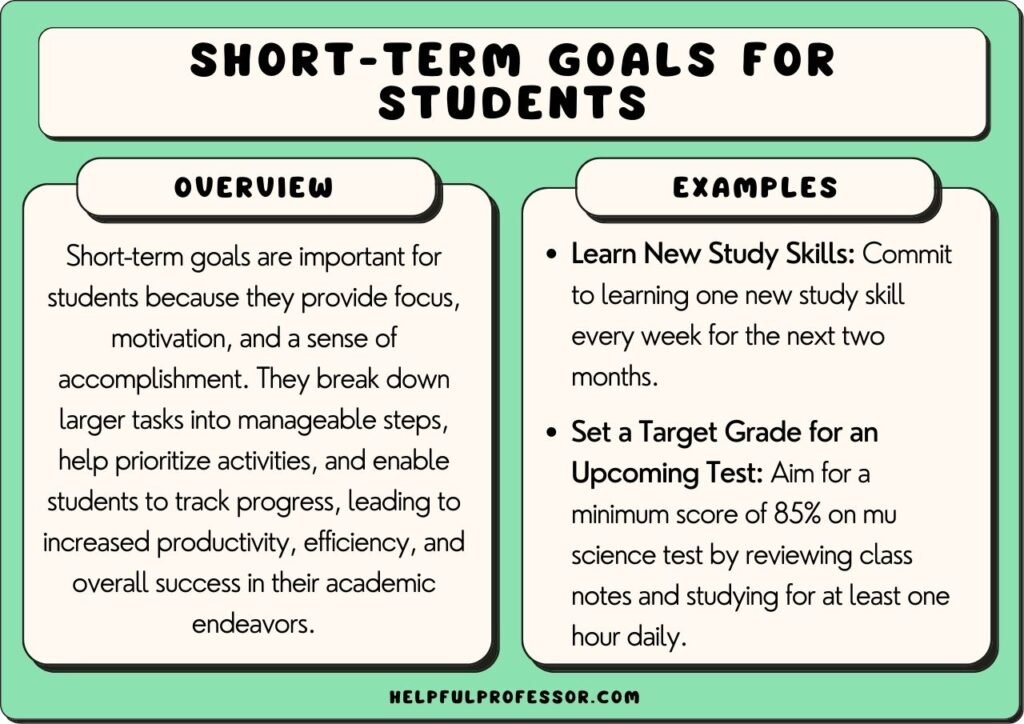
- Academic Excellence: Maintain a GPA of 3.8 or higher throughout the academic year by dedicating focused study sessions daily.
- Time Management: Create a weekly schedule allocating time to academic subjects, extracurricular activities, and personal commitments, adhering to it consistently for three months.
- Fitness and Well-being: Engage in at least 150 minutes of moderate-intensity exercise per week and incorporate mindfulness practices daily for six months.
- Internship: Submit applications to at least 10 companies within two months and actively network with professionals to secure a summer internship.
- Networking: Attend two networking events per month and connect with professionals on LinkedIn for four months.
- Leadership Skills: Actively engage in group projects, lead student organizations, and mentor fellow students to be recognized as a reliable leader by the end of the academic program.
- Financial Habits: Create and adhere to a monthly budget, limit discretionary spending, and save a specific percentage of income from part-time work to establish a solid financial foundation by the end of sophomore year.
- Language Proficiency: Dedicate 30 minutes daily to language learning apps, participate in language exchange programs, and read one book in the target language each month to achieve an advanced level of proficiency in two years.
- Research Project: Complete a comprehensive research project by conducting literature reviews and collecting data to submit the final project by the end of junior year.
- Community Contribution: Engage in volunteer activities, join community service clubs, and organize at least one community outreach event for 7 months.
- Personal Development: Attend personal growth workshops, engage in reflective journaling, and set and achieve specific personal goals to enhance overall well-being and self-awareness over three years.
- Healthier Habits: Incorporate 30 minutes of physical activity into daily routine, choose nutritious meals, and get at least 7 hours of sleep each night for three months.
- Technology Skills: Enroll in online courses, participate in coding challenges, and complete at least two technology-related projects to demonstrate advanced technology skills within 6 months.
Carving Your Path: Step-by-Step Goal Setting for Students
- Self-Reflection: Identify your passions, strengths, and weaknesses. What truly interests you? Where do you excel? What areas need improvement? This sets the stage for setting relevant goals.
- Brainstorming: Generate a list of potential goals across different areas: academics, career, personal development, and extracurricular activities. Don't filter yourself at this stage; just write down everything that comes to mind.
- Prioritization: Review your list and select the goals that are most important and aligned with your overall vision.
- SMART-ify: Transform your chosen goals into SMART goals using the framework described earlier. Be precise and set realistic deadlines.
- Action Planning: Break down each SMART goal into smaller, manageable steps. Create a timeline and identify resources you'll need.
- Implementation: Put your plan into action! Track your progress regularly and make adjustments as needed.
- Review and Evaluation: Periodically review your goals and assess your progress. Celebrate your achievements and learn from your setbacks.
Outcome vs. Process: Understanding the Two Sides of the Coin
Goals can be broadly classified into two categories: outcome-oriented and process-oriented.
- Outcome Goals: These focus on the result you want to achieve. Examples include getting an A in a course, securing an internship, or graduating with honors.
- Process Goals: These focus on the actions you need to take to achieve the outcome. Examples include studying for 2 hours daily, attending networking events weekly, or consistently completing assignments.
While outcome goals provide direction, process goals are the building blocks of success. Focus on establishing consistent processes, and the outcomes will naturally follow.
Staying the Course: Tips for Goal Achievement
- Visualize Success: Regularly imagine yourself achieving your goals. This can boost motivation and build confidence.
- Find an Accountability Partner: Share your goals with a friend, family member, or mentor who can provide support and encouragement.
- Break Down Large Goals: Overwhelmed by a daunting goal? Divide it into smaller, more manageable tasks.
- Reward Yourself: Celebrate milestones along the way to stay motivated and reinforce positive habits.
- Learn from Setbacks: Don't get discouraged by failures. View them as learning opportunities and adjust your strategies accordingly.
- Adapt and Evolve: Your goals may change as you grow and learn. Be flexible and willing to adjust your plans as needed. Consider how your 'goals for students' might evolve as you progress through college.
Common Pitfalls to Avoid: Preventing Setbacks
- Setting Unrealistic Goals: Overly ambitious goals can lead to frustration and discouragement. Start with smaller, more achievable targets.
- Lack of Planning: Failing to create a detailed action plan can leave you feeling lost and directionless.
- Procrastination: Putting off tasks can sabotage your progress. Break tasks into smaller steps and tackle them one at a time.
- Perfectionism: Striving for unattainable perfection can lead to analysis paralysis and prevent you from taking action.
- Ignoring Feedback: Dismissing constructive criticism can hinder your growth and prevent you from making necessary adjustments.
- Not Tracking Progress: Failing to monitor your progress can make it difficult to stay motivated and identify areas where you need to improve.
Quick Answers: Addressing Your Goal-Setting Questions
Q: What if I don't know what my goals should be?
A: That's perfectly normal! Start by exploring your interests and values. Talk to mentors, professors, and career advisors. Experiment with different activities and courses to discover what resonates with you. Enhance your learning journey here. This exploration, combined with thoughtful self-reflection, will help you identify meaningful 'goals for students'.
Q: How often should I review my goals?
A: Review your goals at least monthly, but consider a weekly check-in to assess your progress and make necessary adjustments.
Q: What if I fail to achieve a goal?
A: Failure is a valuable learning opportunity. Analyze what went wrong, identify areas for improvement, and adjust your strategies. Don't be afraid to revise your goals if necessary.
Q: Should I share my goals with others?
A: Sharing your goals with supportive individuals can increase accountability and motivation. However, be selective about who you share with. Choose people who will encourage you and provide constructive feedback.
Your Personalized Playbook: A Quick Start to Setting Goals
Here's a simple framework to get you started:
- Identify Three Areas: Choose three areas of your life you want to improve (e.g., academics, fitness, finances).
- One SMART Goal Per Area: For each area, create one SMART goal.
- Example (Academics): "Improve my grade in Chemistry from a C to a B by the end of the semester by studying for 1 hour every Monday, Wednesday, and Friday."
- Example (Fitness): "Run 3 miles, 3 times per week for the next 2 months."
- Example (Finances): "Save $100 per month for the next 6 months by reducing discretionary spending and automating savings transfers."
- Take Action Today: Identify one small step you can take today towards each goal. This initial action creates momentum.
- Schedule a Review: Schedule a 30-minute review session for next week to assess your progress and make adjustments.
By consistently applying this framework, you'll be well on your way to achieving your dreams. College is an incredible opportunity for growth and self-discovery, and setting meaningful 'goals for students' can unlock your full potential.