Feeling adrift in high school? Grades, friends, extracurriculars… it’s a lot. Setting clear high school goals can be the compass you need to navigate these years successfully, making them more rewarding and setting you up for a brighter future.
At a glance:
- Learn how to use the SMART framework to define achievable academic goals.
- Discover practical strategies for improving study habits and class participation.
- Understand how short-term goals contribute to long-term aspirations (college, career).
- Identify common pitfalls in goal setting and how to avoid them.
- Get actionable steps you can implement today to get started.
Why Bother With High School Goals?
High school is way more than just showing up. It's your launchpad. Without clear goals, you're essentially wandering around the airport hoping to stumble onto the right flight. Setting high school goals provides direction, boosts motivation, and helps you make the most of your time. Think of it as designing your high school experience, rather than just letting it happen to you. Set academic goals now.
Decoding the SMART Framework for Academic Success
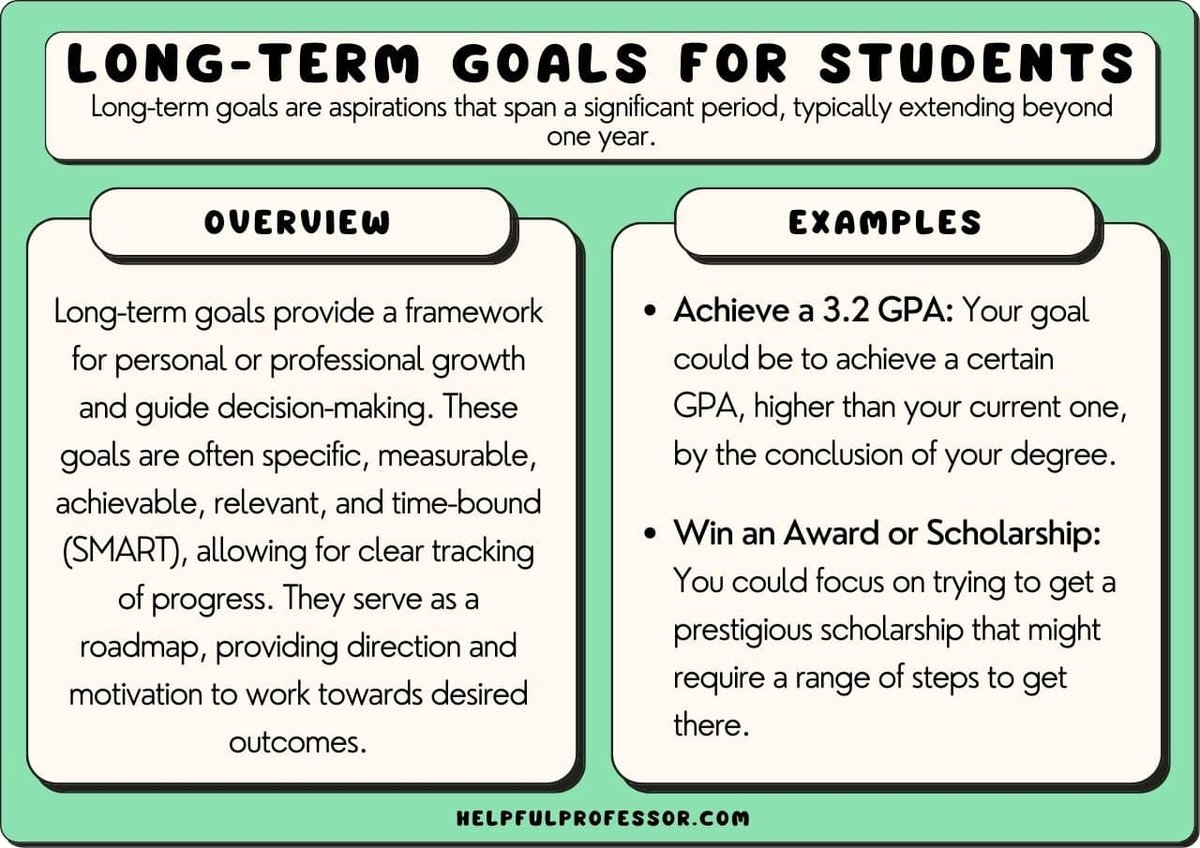
The SMART framework isn't just some buzzword; it's a powerful tool for crafting goals that actually work. It ensures your ambitions are Specific, Measurable, Achievable, Relevant, and Time-bound.
- Specific: “I want to do better in math” is vague. “I want to improve my math grade from a C to a B” is specific.
- Measurable: How will you know you’ve succeeded? “Get a B average on the next three math tests.”
- Achievable: Is it realistic? Maybe aiming for an A overnight is a stretch. A B is more attainable if you consistently study.
- Relevant: Does this goal align with your broader aspirations? Is doing better in math important for your college goals?
- Time-bound: When do you want to achieve this by? "By the end of the semester."
Example: "I will improve my grade in English from a C to a B by completing all assigned readings, participating in class discussions at least once per week, and meeting with the teacher for extra help once a week for the next 8 weeks."
Setting Short-Term Goals for Long-Term Gains
High school can feel like a marathon, but it's run one step at a time. Short-term goals are those daily or weekly wins that build up to larger achievements. Think of them as checkpoints along your journey.
- Daily: Complete all assigned homework before dinner.
- Weekly: Read one chapter of the assigned novel.
- Monthly: Finish a draft of your research paper.
These seemingly small actions, when consistently followed, contribute significantly to your overall academic success. For instance, consistently completing homework not only reinforces learning but also builds a habit of responsibility, crucial for college and beyond.
Class-Oriented Goals: Maximize Learning
Your classes are a goldmine of knowledge and opportunity. But are you truly taking advantage? Here's how to set class-oriented goals that boost your learning:
- Active Participation: Aim to ask at least one thoughtful question in each class. (This not only clarifies your understanding but also shows the teacher you're engaged).
- Note-Taking Strategies: Experiment with different note-taking methods (Cornell, outlining, mind-mapping) to find what works best for you.
- Seeking Help: Don't wait until you're drowning to ask for help. Schedule regular meetings with your teacher during office hours to clarify concepts and get personalized guidance.
Example: Instead of passively listening in history class, challenge yourself to connect the historical events to current events. This fosters critical thinking and makes the subject more engaging.
Homework and Study Habits: The Foundation of Success
Solid homework and study habits are non-negotiable for academic success. They're the engine that drives your learning journey.
- Dedicated Study Time: Designate a specific time and place for studying, free from distractions. Even 30 minutes of focused studying is more effective than hours of distracted browsing.
- Prioritization: Learn to prioritize assignments based on deadlines and difficulty. Tackle the most challenging tasks when you're most alert.
- Review and Revise: Don't just complete assignments and forget about them. Regularly review your notes and assignments to reinforce learning.
Example: Instead of cramming for a test the night before, try spaced repetition. Review the material briefly each day for a week leading up to the test. This improves long-term retention and reduces stress.
GPA & Extracurriculars: Balancing Act
High school isn't just about grades. Extracurriculars are crucial for personal growth, skill development, and college applications. However, balancing academics and extracurriculars can be tricky.
- Time Management: Learn to effectively manage your time by creating a schedule that allocates time for both academics and extracurriculars.
- Strategic Selection: Choose extracurriculars that align with your interests and goals. Don't spread yourself too thin by joining too many activities.
- Prioritize Rest: Don't sacrifice sleep for extracurriculars. Adequate rest is essential for both academic performance and overall well-being.
Example: If you're passionate about debate, join the debate club. But be realistic about the time commitment and ensure it doesn't negatively impact your grades. Maybe drop one less engaging extracurricular if you're feeling overwhelmed.
Longer-Term Visions: Mapping Your Future
While short-term goals keep you on track day-to-day, longer-term goals provide a broader vision for your future.
- College Planning: Start researching colleges and exploring potential majors early on. Attend college fairs and visit campuses to get a feel for different options.
- Career Exploration: Explore different career paths by shadowing professionals, volunteering, or taking internships.
- Personal Development: Set goals for personal growth, such as improving your communication skills, learning a new language, or developing a new hobby.
Example: Instead of waiting until senior year to think about college, start exploring options during sophomore or junior year. This gives you more time to research, prepare, and make informed decisions.
Common Goal-Setting Pitfalls (and How to Avoid Them)
Goal setting isn't always smooth sailing. Here are some common pitfalls and how to steer clear:
- Setting Unrealistic Goals: Aiming too high can lead to discouragement. Be realistic about your abilities and resources.
- Lack of Motivation: If you're not motivated, your goals will feel like a burden. Choose goals that align with your interests and values.
- Procrastination: Putting things off can derail your progress. Break down large goals into smaller, manageable steps.
- Fear of Failure: Don't let fear hold you back. Embrace failure as a learning opportunity.
Example: If you're struggling with procrastination, try the Pomodoro Technique. Work in focused bursts of 25 minutes, followed by a 5-minute break.
Overcoming Obstacles and Staying on Track
Life happens. You'll inevitably encounter obstacles along the way. The key is to develop strategies for overcoming these challenges and staying on track.
- Flexibility: Be willing to adjust your goals as needed. Don't be afraid to pivot if your interests or circumstances change.
- Support System: Surround yourself with supportive friends, family, and mentors who can encourage you and hold you accountable.
- Self-Care: Take care of your physical and mental health. Prioritize sleep, exercise, and healthy eating.
Example: If you experience a setback, such as a bad grade on a test, don't give up. Analyze what went wrong, learn from your mistakes, and adjust your study habits accordingly.
High School Goals: Quick Answers to Common Questions
- Q: What if I don't know what I want to do after high school?
- A: That's perfectly normal! Focus on exploring different interests and career paths. Take advantage of career counseling services and talk to people in different professions.
- Q: How many goals should I set?
- A: Start with a few key goals and gradually add more as you gain momentum. Quality over quantity is key.
- Q: What if I fail to achieve a goal?
- A: Don't beat yourself up. Failure is a learning opportunity. Analyze what went wrong, adjust your approach, and try again.
- Q: Are extracurricular activities really that important?
- A: Yes! They demonstrate your interests, skills, and commitment – all things colleges value. Plus, they can be a welcome break from academics.
Your High School Goals Playbook: Taking Action Now
Ready to turn your ambitions into reality? Here's your quick-start guide:
- Brainstorm: List all the areas you want to improve (grades, extracurriculars, personal development).
- SMARTify: Choose 1-2 goals from your list and make them SMART using the framework above.
- Break it Down: Divide each goal into smaller, manageable steps.
- Schedule: Allocate time for each step in your weekly schedule.
- Track Progress: Monitor your progress regularly and celebrate your wins.
- Adjust: Don't be afraid to adjust your goals as needed.
High school is a journey, not a destination. Setting high school goals is the key to making that journey fulfilling, successful, and a solid foundation for your future. Start today, and you'll be amazed at what you can achieve.