For the bigger picture and full context, make sure you read our main guide on Set Measurable Work Goals For Motivated Professional Development.
markdown
Want to turn vague aspirations into real achievements? Understanding and using measurable outcomes examples is the key. Too often, well-intentioned goals fizzle out because they lack clear, quantifiable targets. This article provides a practical guide to crafting and achieving measurable goals at work.
At a glance:
- Discover how to use measurable outcomes to track progress and stay motivated.
- Explore real-world examples of SMART goals across diverse professional areas.
- Learn how to adapt these examples to your unique role and career ambitions.
- Get practical tips for monitoring your progress and overcoming common hurdles.
- Uncover answers to frequently asked questions about measurable outcomes.
Why Measurable Outcomes Matter: Beyond Wishful Thinking
Many professionals set goals like "Improve communication skills" or "Become a better leader." While admirable, these lack the specificity to drive real change. Measurable outcomes, on the other hand, transform these aspirations into concrete targets. They provide a roadmap for success, enabling you to track progress, identify roadblocks, and ultimately, celebrate achievements. As highlighted in studies on employee engagement, clear objectives are crucial for maintaining focus. Considering only 21-32% of employees report feeling engaged at work, setting measurable goals has never been more important. The ability to quantify progress is inherently motivating.
The SMART Framework: Your Foundation for Success
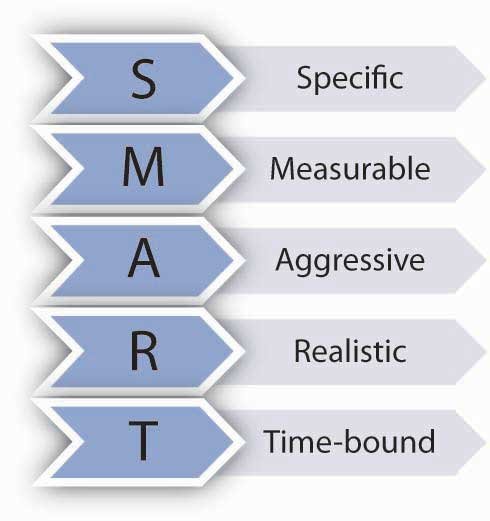
The SMART framework, introduced by George T. Doran in 1981, offers a structured approach to goal setting, ensuring that your goals are:
- Specific: Clearly defined, leaving no room for ambiguity.
- Measurable: Progress can be tracked using quantifiable or qualifiable metrics.
- Achievable: Realistic and attainable with effort and resources.
- Relevant: Aligned with your broader objectives and organizational goals.
- Time-Bound: With a clear deadline and milestones along the way.
Here are a few options, aiming for naturalness and context: Learn about measurable goals, including how the framework helps you achieve your professional goals.
Measurable Outcomes Examples: Real-World Scenarios
Let's explore some measurable outcomes examples across different professional domains. Each example includes a key objective, reasons for its importance, action steps, and success criteria.
Communication Goals
- Objective: Improve clarity and consistency in project updates.
- Why it matters: Keeps stakeholders informed and aligned, reducing confusion and delays.
- Action steps: Use a standardized update format, schedule regular update meetings, and solicit feedback on clarity.
- Success criteria: Project managers consistently deliver updates during weekly meetings with all materials received 24 hours in advance; stakeholder feedback reveals improved clarity and understanding (measured via survey with rating scale of 1-5).
- Objective: Enhance presentation skills.
- Why it matters: Increases impact and persuasiveness in meetings and presentations.
- Action steps: Request feedback after each presentation from at least three colleagues, focus on improving delivery and content based on feedback, record yourself and self-critique.
- Success criteria: Improved feedback scores after presentations (e.g., average rating increases from 3.5 to 4.5 out of 5), noticeable improvement.
Professional Development Goals
- Objective: Acquire AWS Solutions Architect certification.
- Why it matters: Demonstrates expertise in cloud computing and enhances career prospects.
- Action steps: Complete AWS training courses, create a study schedule, take practice exams, and schedule the certification exam.
- Success criteria: Pass the AWS Solutions Architect certification exam within six months.
- Objective: Publish a thought leadership article on LinkedIn.
- Why it matters: Establishes credibility and expands professional network.
- Action steps: Identify a relevant topic, research and outline the article, write and edit the article, and promote it on LinkedIn.
- Success criteria: Publish one quality article on LinkedIn within three months and achieve a minimum of 500 views.
Relationship-Building Goals
- Objective: Expand professional network across departments.
- Why it matters: Fosters collaboration and knowledge sharing.
- Action steps: Attend cross-department meetings, schedule informational interviews with colleagues from other teams, and participate in company-wide events.
- Success criteria: Connect with at least five new colleagues from different departments within one quarter.
- Objective: Offer reverse mentoring to a senior leader.
- Why it matters: Shares valuable insights on emerging technologies and trends and builds rapport with senior colleagues.
- Action steps: Identify a senior leader who is open to reverse mentoring, propose a mentoring program, meet regularly to share knowledge and perspectives.
- Success criteria: Conduct at least four reverse mentoring sessions within six months and receive positive feedback from the mentee.
Productivity & Time-Management Goals
- Objective: Achieve inbox-zero at least three times per week.
- Why it matters: Reduces stress and improves focus by minimizing distractions.
- Action steps: Schedule dedicated time for email processing, use filters and labels to organize emails, and unsubscribe from unnecessary newsletters.
- Success criteria: Consistently maintain an empty inbox for at least three days each week.
- Objective: Automate five repetitive tasks by using tools like Zapier or IFTTT.
- Why it matters: Increases efficiency and frees up time for more strategic activities.
- Action steps: Identify repetitive tasks, research automation tools, create automation workflows, and test and refine the workflows.
- Success criteria: Successfully automate five repetitive tasks within two months, saving at least five hours per week.
A Quick Case Snippet: Automating for Efficiency
Sarah, a marketing manager, found herself spending hours each week manually posting content across various social media platforms. Recognizing this inefficiency, she set a goal to automate her social media posting schedule. Using a combination of Buffer and Zapier, Sarah automated her posting process, freeing up nearly eight hours per week. She measured her success by tracking the time saved and the consistent delivery of social media content.
Wellness & Fulfillment Goals
- Objective: Take a full hour for lunch break three times a week.
- Why it matters: Reduces stress and improves focus by allowing time to refresh and recharge.
- Action steps: Block off time in calendar, find a quiet place to eat, away from desk, and avoid checking email during lunch.
- Success criteria: Consistently take a full hour for lunch break at least three times per week for one month.
- Objective: Practice mindfulness meditation for 10 minutes daily.
- Why it matters: Reduces anxiety and improves mental well-being.
- Action steps: Download a meditation app, schedule time for meditation daily, and follow guided meditations.
- Success criteria: Meditate for ten minutes every day for 30 consecutive days.
Leadership & Influence Goals
- Objective: Improve team engagement scores by 15%.
- Why it matters: Creates a more positive and productive work environment.
- Action steps: Conduct team surveys to identify areas for improvement, implement initiatives to address concerns, and provide regular feedback and recognition.
- Success criteria: Increase team engagement scores by 15% as measured by the next employee survey.
- Objective: Mentor three new hires within the next year.
- Why it matters: Supports new employees and develops leadership skills.
- Action steps: Volunteer to be a mentor, meet regularly with mentees, and provide guidance and support.
- Success criteria: Successfully mentor three new hires within one year, receiving positive feedback from mentees and their managers.
Personal, Fitness, Educational, Financial, and Family Goals
The SMART framework can be applied to various personal goals outside the workplace, such as improving physical health, expanding knowledge, or strengthening family relationships. For example, you may set a Fitness Goal "Lose 10 pounds by following a diet and exercising for 30 minutes daily" or a Family Goal to "Plan a monthly family outdoor activity for the next year."
Practical Playbook: Implementing Measurable Outcomes
Now that you have a grasp on what measurable outcomes look like, let's explore how to implement them in your own professional life.
- Start with Alignment: Ensure your goals align with your company's overall objectives. If the company prioritizes customer satisfaction, your goals should reflect that.
- Use Action Verbs: Make your goals actionable by using strong verbs. For example, instead of "Understand project management," use "Complete a project management certification."
- Break Down Large Goals: Divide large, daunting goals into smaller, more manageable steps. This makes the process less overwhelming and provides opportunities for quick wins.
- Document Your Progress: Keep a record of your progress, whether in a spreadsheet, project management tool, or even a simple notebook.
- Regularly Review and Adjust: Schedule regular check-ins to review your progress and make adjustments as needed. Don't be afraid to modify your goals if circumstances change.
Monitoring and Staying on Track: Key Metrics
- Schedule Weekly or Monthly Reviews: Consistent monitoring keeps you accountable and allows for timely adjustments.
- Use Project Management Software: Leverage tools like Asana or Trello to track tasks, deadlines, and progress.
- Track Relevant Metrics: Identify key metrics that directly reflect your progress. For communication goals, this might be feedback scores or presentation ratings. For productivity goals, it could be the time saved through automation.
Quick Answers: Common Questions and Misconceptions
- Q: What if I don't meet my goal by the deadline?
- A: Don't get discouraged! Analyze why you fell short, adjust your strategy, and set a new deadline. The key is to learn from the experience and keep moving forward.
- Q: Can a goal be too measurable?
- A: Yes, focusing too narrowly can stifle creativity or lead to unintended consequences. Ensure you also focus on the bigger picture and qualitative results.
- Q: How do I handle setbacks?
- A: Setbacks are inevitable. Acknowledge them, learn from them, and adjust your approach. Don't let them derail your overall progress. Stay flexible.
Actionable Close: Take the First Step Today
Measurable outcomes examples provide a clear route for professional growth. No matter your role or industry, the SMART framework is a powerful tool for turning aspirations into achievements. Start small, stay focused, and celebrate your progress along the way. By consistently applying these principles, you can achieve your goals and unlock your full potential.