Beyond the classroom, a whole world of growth awaits you. While acing that test or completing that project are important, focusing solely on academics can leave other crucial areas of development untouched. That's where "non school related goals" come in. Unlike academic objectives, these goals focus on your personal growth, well-being, and future aspirations outside of formal education.
At a glance:
- Non-school related goals are essential for well-rounded development.
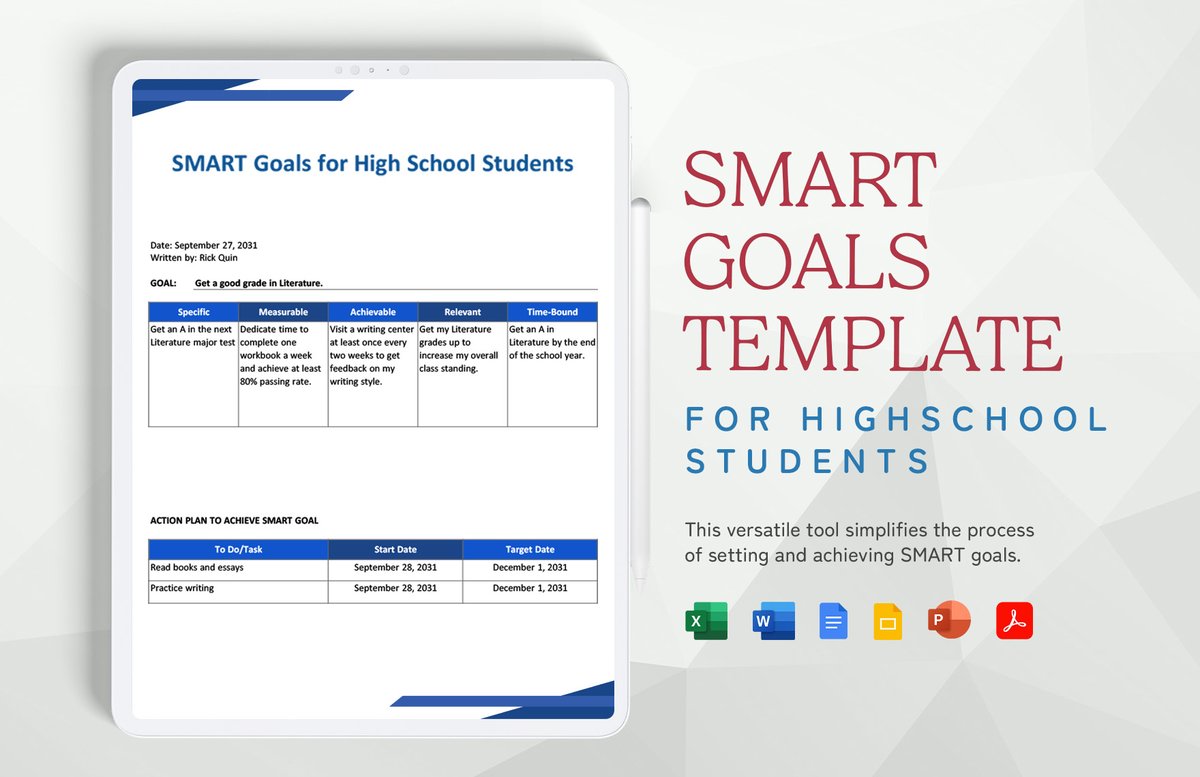
- Setting SMART goals (Specific, Measurable, Achievable, Relevant, Time-bound) helps ensure success.
- Examples include personal, financial, career, and creative pursuits.
- Breaking down goals into smaller steps makes them more manageable.
- Celebrating achievements, big or small, keeps you motivated.
Why Set Non School Related Goals?
Think of your life as a multifaceted gem. Each facet represents a different area: academics, personal growth, relationships, hobbies, and future career. Neglecting any facet dulls the overall shine. Non school related goals, therefore, are the polishing cloth that keeps all aspects of your life bright and balanced.
The benefits are numerous. Setting goals can boost your self-esteem, improve your decision-making skills, increase your motivation, and even help you manage your time more effectively. You become more aware of your strengths and weaknesses Tunjangan DPR Naik? Simak Ini and develop a stronger sense of responsibility. Pursuing these goals also introduces you to new experiences and perspectives, broadening your horizons in ways that classroom learning alone simply can't.
The SMART Framework: Your Goal-Setting Secret Weapon
Before diving into specific examples, let’s talk about the SMART framework. This is your secret weapon for turning vague aspirations into concrete plans. Remember, a goal without a plan is just a wish. SMART stands for:
- Specific: What exactly do you want to achieve? Avoid ambiguity. Instead of "be more creative," aim for "write one poem per week."
- Measurable: How will you track your progress? "Read more" becomes "Read one book per month."
- Achievable: Is this goal realistic given your current circumstances and resources? Setting unrealistic expectations can lead to discouragement.
- Relevant: Does this goal align with your values and overall vision for yourself? Choose goals that genuinely matter to you.
- Time-Bound: When do you want to achieve this goal? A deadline adds urgency and helps you prioritize.
By using the SMART framework, you can create goals that are not only achievable but also deeply meaningful.
Examples of Non School Related Goals for Students
The possibilities are endless, but here are some examples categorized by area to get you started:
Personal Life Goals
These goals focus on improving your well-being, personal development, and relationships. They encompass habits, skills, and experiences that contribute to a fulfilling life.
- Start a Growth Journal: Dedicate 15 minutes each day to writing about your thoughts, feelings, and experiences. This can improve self-awareness and emotional intelligence.
- Reduce Social Media Usage: Limit your screen time to a specific amount each day. Utilize built-in app timers or website blockers. Reclaim your time and focus on real-world activities.
- Read a Book Every Month: Expand your knowledge, vocabulary, and imagination by reading regularly. Choose books that interest you or explore new genres.
- Practice Mindfulness: Take a few minutes each day to meditate or practice deep breathing exercises. This can reduce stress and improve focus.
- Learn a New Language: Broaden your horizons and open up new opportunities by learning a new language. Use apps, online courses, or language exchange partners.
- Improve Your Sleep Schedule: Aim for 7-9 hours of quality sleep each night. Establish a consistent bedtime routine and create a relaxing sleep environment.
- Volunteer in Your Community: Give back to others and make a difference in the world. Find an organization that aligns with your values and interests.
- Learn to Cook a New Recipe Each Week: Enhance your culinary skills and eat healthier by learning how to cook new dishes. Experiment with different cuisines and ingredients.
- Start a New Hobby: Explore your interests and talents by trying a new hobby. This could be anything from painting to playing a musical instrument to coding.
Financial Goals
Understanding and managing your finances is a critical life skill. These goals help you develop financial literacy and build a solid foundation for the future.
- Create a Budget: Track your income and expenses to understand where your money is going. Use budgeting apps or spreadsheets to stay organized.
- Create a Savings Goal: Set a specific savings target and timeline. Open a savings account and contribute regularly to achieve your goal.
- Research Investing: Learn about different investment options and start investing small amounts of money. Consult with a financial advisor if needed.
- Get a Part-Time Job or Internship: Earn money to pay for expenses, save for the future, or gain valuable work experience.
- Reduce Unnecessary Spending: Identify areas where you can cut back on spending, such as eating out or buying non-essential items.
- Pay Off Debt: If you have any debt, such as credit card debt, create a plan to pay it off as quickly as possible.
- Track Your Net Worth: Calculate your assets (what you own) minus your liabilities (what you owe) to track your financial progress over time.
- Open a Bank Account: Get familiar with banking services and responsible financial habits.
Career Goals
Even if you're not sure what you want to do in the future, it's never too early to start exploring career options and developing relevant skills.
- Research Different Career Paths: Explore various industries, roles, and required skills. Use online resources, career counseling, or informational interviews.
- Network with Professionals in Your Field of Interest: Attend industry events, connect with people on LinkedIn, or ask for informational interviews.
- Develop Transferable Skills: Focus on developing skills that are valuable in any career, such as communication, problem-solving, and teamwork.
- Build Your Online Presence: Create a professional website or LinkedIn profile to showcase your skills and experience.
- Seek Mentorship: Find a mentor who can provide guidance, support, and advice as you explore your career options.
- Attend Career Fairs and Workshops: Learn about different companies, network with recruiters, and gain valuable career advice.
- Volunteer or Intern in Your Desired Field: Gain hands-on experience and build your resume by volunteering or interning in your chosen field.
- Start a Side Hustle: Explore your entrepreneurial interests by starting a side business or freelance project.
Creative Goals
These goals encourage you to express yourself, explore your creativity, and develop your artistic talents.
- Learn to Play a Musical Instrument: Explore your musical talents and improve your cognitive skills by learning to play an instrument.
- Take a Photography Course: Develop your eye for composition and learn how to capture stunning images.
- Start a Blog or Podcast: Share your thoughts, ideas, and experiences with the world.
- Join a Creative Writing Group: Improve your writing skills and connect with other writers.
- Learn a New Craft: Explore your artistic talents by learning a new craft, such as knitting, pottery, or jewelry making.
- Visit Museums and Art Galleries: Immerse yourself in art and culture and gain inspiration for your own creative projects.
- Participate in Art Competitions or Exhibitions: Showcase your work and gain recognition for your talents.
- Learn Graphic Design: Understand digital communication and strengthen your skills, leading to new opportunities.
Goals for High School Seniors
Specifically for those nearing graduation, here are some goals to prepare for the next chapter:
- Apply for Scholarships Regularly: Reduce the financial burden of college by applying for scholarships.
- Learn to Cook Basic Meals: Essential for independent living, knowing how to prepare meals is a valuable skill.
- Set Up and Use a Planner: Develop time management skills for college and beyond.
- Volunteer to Gain Life and Work Experience Giving back to the community has multiple benefits.
- Research Potential Career Options: Explore different career paths to inform your college major decision.
- Decide on a Major for my Degree: Choosing wisely impacts your course load and career prospects.
Setting these goals is important, while also appreciating the little things Tunjangan DPR Naik? Simak Ini.
Breaking Down Goals into Manageable Steps
Once you've identified your goals, the next step is to break them down into smaller, more manageable steps. This makes the overall goal less daunting and provides a roadmap for success.
For example, if your goal is to "Learn to play the guitar," you could break it down into the following steps:
- Research different types of guitars: Acoustic, electric, classical, etc.
- Choose a guitar that suits your budget and preferences.
- Find a guitar teacher or online course.
- Practice for 30 minutes each day.
- Learn basic chords and strumming patterns.
- Learn to play your favorite songs.
- Join a band or perform for others.
By breaking down your goals into smaller steps, you create a sense of momentum and make it easier to track your progress.
Monitoring Progress and Adjusting Your Plan
Goal setting isn't a one-time event. It's an ongoing process that requires regular monitoring and adjustment.
- Track Your Progress: Keep a journal, use a spreadsheet, or utilize a goal-tracking app to monitor your progress towards your goals.
- Evaluate Your Plan: Regularly review your plan to ensure that it's still relevant and achievable.
- Make Adjustments as Needed: Don't be afraid to adjust your plan if necessary. Life happens, and sometimes unexpected circumstances arise.
Flexibility is key to achieving your goals. Don't be afraid to deviate from your original plan if it's no longer working for you.
Celebrating Successes
It's important to celebrate your successes along the way, no matter how small. This helps you stay motivated and reinforces positive habits.
- Acknowledge Your Achievements: Take time to recognize and appreciate your accomplishments.
- Reward Yourself: Treat yourself to something you enjoy when you reach a milestone.
- Share Your Successes with Others: Celebrate your achievements with friends, family, or mentors.
Celebrating your successes is a crucial part of the goal-setting process. It helps you stay positive, motivated, and on track to achieve your dreams.
Addressing Common Questions
Q: What if I don't know what my goals are?
A: That's perfectly normal! Take some time to explore your interests, values, and passions. Experiment with different activities and see what resonates with you. Talk to people you admire and ask them about their goals. Don't put too much pressure on yourself to find the "perfect" goal right away. It's okay to start small and evolve over time. Tunjangan DPR Naik? Simak Ini.
Q: What if I fail to achieve a goal?
A: Failure is a part of the learning process. Don't let it discourage you. Analyze what went wrong, learn from your mistakes, and try again. Remember that setbacks are temporary, and perseverance is key to success.
Q: How do I stay motivated when things get tough?
A: Remind yourself of why you set the goal in the first place. Visualize your success, break the goal down into smaller steps, and celebrate your progress along the way. Seek support from friends, family, or mentors.
Your Next Steps: From Aspiration to Action
Now that you have a better understanding of non school related goals and the SMART framework, it's time to take action. Start by identifying one or two areas where you want to grow and develop outside of school. Use the examples provided as inspiration and create your own SMART goals.
Remember, the key is to start small, be consistent, and celebrate your successes along the way. With dedication and perseverance, you can achieve your goals and create a fulfilling life beyond the classroom. Good luck!