Juggling classes, extracurriculars, and a social life can feel like a high-wire act. But what if you could navigate it all with less stress and more success? The secret weapon: short term goals for students. These aren’t just abstract wishes; they’re the concrete steps that turn your dreams into reality.
At a Glance:
- Short-term goals are achievable in days or weeks, not years.
- They boost motivation and improve time management.
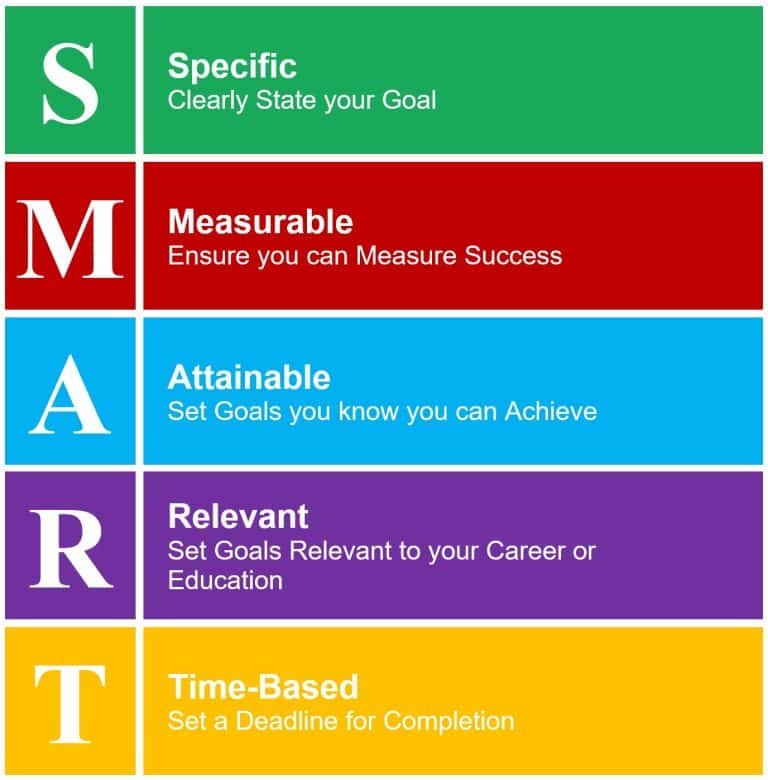
- The SMART framework (Specific, Measurable, Achievable, Relevant, Time-bound) is your friend.
- Small wins build confidence for tackling bigger challenges.
- Align your short-term goals with your long-term aspirations for the best results.
Why Short-Term Goals Matter: The Student Success Equation
Think of your long-term goals – graduating with honors, landing your dream job – as the summit of a mountain. Short-term goals are the manageable steps that get you there. They're not just nice to have; they're essential for navigating the often-overwhelming world of academics and personal growth.
Motivation: Your Instant Energy Boost
Let's face it: staring at a semester-long project can be paralyzing. Short-term goals break it down into bite-sized pieces, providing a sense of accomplishment with each task completed. This creates a positive feedback loop, fueling your motivation to keep going. The immediate gratification of ticking something off your list is a powerful motivator.
Time Management: Mastering the Clock
Procrastination is a student's nemesis. Short-term goals combat this by forcing you to prioritize and allocate time effectively. By setting daily or weekly targets, you become more aware of how you spend your time, making it easier to identify and eliminate time-wasting activities. Good time management is crucial, even when you have plenty of options to choose from. For instance there are many Examples of Good Options: Short-Term Student to choose from.
Stepping Stones to Greatness
Each short-term goal you achieve is a building block towards your long-term aspirations. They provide momentum and a clear sense of progress, even when the ultimate goal seems far away. These small victories build confidence and keep you on track.
Building Confidence, One Goal at a Time
Every time you conquer a short-term goal, you reinforce your belief in your ability to succeed. This increased self-esteem spills over into other areas of your life, encouraging you to set even more ambitious goals.
Skill Up: Honing Your Abilities
The process of setting and achieving short-term goals forces you to sharpen essential skills. You'll become better at focusing, prioritizing, problem-solving, and communicating – all crucial for success in college and beyond.
Academic Performance: From Good to Great
From improved grades to better attendance and increased knowledge retention, short-term goals directly impact your academic performance. By focusing on specific areas for improvement, you can systematically enhance your learning outcomes.
Personal Growth: Becoming a Well-Rounded Individual
Short-term goals aren't just about academics. They can also foster empathy, accountability, and overall mental well-being. By setting goals related to personal development, you cultivate essential life skills.
Career Planning: Laying the Foundation for Your Future
Short-term goals can help you gain valuable experience, build your resume, and develop a professional network – all crucial for launching your career after graduation.
The SMART Framework: Your Goal-Setting GPS
To make your short-term goals truly effective, use the SMART framework. It's a simple yet powerful tool for ensuring your goals are well-defined and attainable.
- Specific: Avoid vague goals. Instead of "study more," aim for "complete Chapter 3 of the textbook by Friday."
- Measurable: How will you know when you've achieved your goal? "Improve my quiz score by 10%" is measurable.
- Achievable: Be realistic. Don't set yourself up for failure by aiming too high too soon. Start with smaller, manageable goals.
- Relevant: Make sure your goals align with your overall objectives. Is learning a new study skill relevant to improving your grades?
- Time-bound: Set a deadline. "Finish the research paper outline by next Wednesday" is time-bound.
Let's look at some specific examples in a bit more detail.
Short-Term Goal Examples: A Student's Toolkit
Here's a breakdown of potential short-term goals, categorized for clarity:
Academic Goals
- Ace the Next Quiz: Set a specific target grade and identify the steps needed to achieve it (e.g., review notes daily, attend a study group).
- Master a Specific Concept: If you're struggling with a particular topic, dedicate a set amount of time each day to understanding it.
- Improve Note-Taking Skills: Experiment with different note-taking methods (e.g., Cornell notes, mind mapping) to find what works best for you.
- Enhance Writing Skills: Focus on a specific aspect of your writing, such as sentence structure or clarity, and practice writing regularly.
- Boost Reading Comprehension: Practice active reading techniques, such as summarizing paragraphs and asking questions.
- Learn Basic Computer Programs: Focus on mastering a program like Excel in a week.
- Learn and Apply a Problem Solving Algorithm: Take an algorithm and apply it to a problem in your field of study.
- Finish Assignments in Advance: A great way to reduce stress is to set a goal of completing all assignments at least one day before the deadline.
- Improve Test-Taking Strategies: Learn to manage your time effectively during exams and practice answering different types of questions.
Personal Development Goals
- Read a Non-Curriculum Book Each Month: Expand your knowledge and broaden your perspective by reading books outside your field of study.
- Incorporate Healthy Eating Habits: Start by making small changes, such as replacing sugary drinks with water or adding more fruits and vegetables to your diet.
- Develop a Consistent Sleep Schedule: Aim to go to bed and wake up at the same time each day, even on weekends, to regulate your body's natural sleep-wake cycle.
- Learn How to Meditate to Relieve Stress: Practice mindfulness techniques to calm your mind and reduce anxiety.
- Develop Self-Discipline: Start with small challenges, such as sticking to a study schedule or resisting impulsive purchases.
- Enroll in an Extra Curricular Activity: Joining a club or sports team is a great way to meet new people and develop your interests.
- Improve Physical Health: Incorporate a 30-minute workout into your daily routine.
- Develop Negotiating Skills: Try to negotiate a discount on an item you want to buy or a better deal on a service.
Career-Related Goals
- Create and Maintain a Professional Network: Attend industry events and connect with professionals on LinkedIn.
- Get an Internship: Research internship opportunities and prepare a compelling application.
- Acquire a New Skill: Learn a software program or coding language relevant to your field.
- Regularly Visit the Careers Office: Take advantage of the resources and guidance offered by your university's career services department.
- Develop Networking Skills: Practice your elevator pitch and learn how to make a good first impression.
Balancing Act: Short-Term vs. Long-Term
Think of it this way: short-term goals are the daily sprints, while long-term goals are the marathon. They need to work in harmony.
- Alignment is Key: Ensure your short-term goals directly contribute to your long-term objectives. If your long-term goal is to become a software engineer, a short-term goal could be to complete an online coding course in the next two months.
- Track Your Progress: Regularly review your progress towards both short-term and long-term goals. This helps you stay motivated and make necessary adjustments.
- Be Flexible: Life happens. Be prepared to adapt your goals as circumstances change. Don't be afraid to modify your short-term goals to better align with your evolving long-term aspirations.
- Regular Review: Set aside time each week to review your goals and make adjustments as needed. Are you on track? Do you need to re-prioritize?
Common Student Goal-Setting Pitfalls (and How to Avoid Them)
Even with the best intentions, you might stumble. Here's what to watch out for:
- Setting Unrealistic Goals: Aiming too high too soon can lead to discouragement. Start with smaller, more manageable goals and gradually increase the challenge as you gain confidence. Focus on what is important, such as finding the Examples of Short-Term Goals that are right for you.
- Lack of Specificity: Vague goals are hard to track and achieve. Be as specific as possible when defining your goals.
- Failing to Prioritize: Trying to do too much at once can lead to burnout. Focus on the most important goals and tackle them one at a time.
- Not Tracking Progress: Without regular monitoring, it's easy to lose sight of your goals and become discouraged. Use a planner, journal, or app to track your progress.
- Giving Up Too Easily: Setbacks are inevitable. Don't let them derail you. Learn from your mistakes and keep moving forward.
- Forgetting Your "Why": Remember why you set the goal in the first place. This will help you stay motivated when things get tough.
Actionable Steps: Start Setting Goals That Stick
Ready to put this into practice? Here's a step-by-step guide:
- Brainstorm: Write down all the areas of your life you want to improve (academics, personal development, career).
- Set SMART Goals: For each area, create 1-2 SMART short-term goals.
- Write It Down: Put your goals in writing. This makes them more concrete and helps you stay accountable.
- Create a Plan: Break down each goal into smaller, actionable steps.
- Track Progress: Use a planner, journal, or app to monitor your progress.
- Review and Adjust: Regularly review your goals and make adjustments as needed.
- Reward Yourself: Celebrate your successes! This will keep you motivated and reinforce positive habits.
Setting short term goals is the best way for a student to be successful. By having the motivation, you will grow rapidly and develop valuable skills that will allow you to thrive in your future career.