Imagine a classroom buzzing with purpose, where even the youngest learners chase goals with genuine excitement. That's the power of introducing smart goals for elementary students. When kids learn to set targets they can actually hit, school becomes less about endless tasks and more about exciting mini-missions.
At a glance:
- Discover how to break down big dreams into achievable steps for young learners.
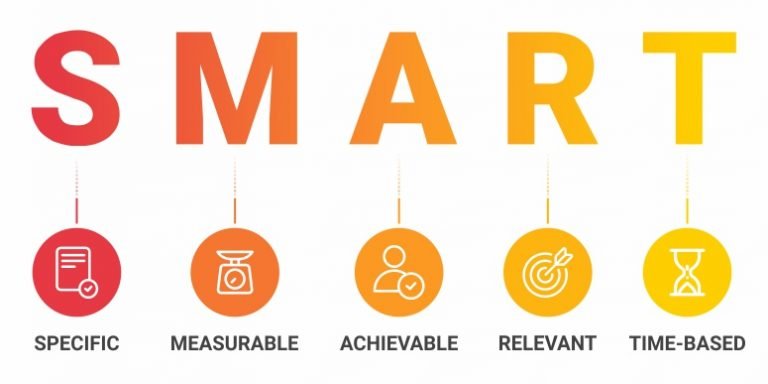
- Learn to use the SMART framework: Specific, Measurable, Attainable, Relevant, and Time-bound.
- Get access to kid-friendly examples of real smart goals for the classroom and beyond.
- Find out how to keep elementary students motivated on their goal-setting journey.
- Address common challenges and misconceptions about goal setting for younger children.
Why Smart Goals Matter for Elementary Schoolers
While the concept of SMART goals is often associated with older students and adults, introducing it early can lay a crucial foundation. It's not just about academics; it's about instilling a sense of ownership, responsibility, and the sheer joy of accomplishment. Set smart goals now. This early exposure sets the stage for more complex goal-setting in middle school and beyond.
Think of it this way: a child who learns to set a SMART goal to read one book a week is more likely to develop a lifelong love of reading than one who simply feels pressured to read more.
Decoding SMART: A Kid-Friendly Guide
The SMART acronym might sound intimidating, but it’s surprisingly easy to explain to elementary students using examples. Here's how to break it down:
- Specific: Instead of "I want to be better at math," try "I want to learn my multiplication facts." The more specific the better.
- Kid analogy: "Instead of saying 'I want to build a cool Lego thing,' let's decide what cool Lego thing – a race car!"
- Measurable: How will they know they’ve succeeded? "I will practice my multiplication facts for 15 minutes every day." The metric defines success.
- Kid analogy: "How will you know the race car is done? When it has four wheels, a steering wheel, and a spoiler!"
- Attainable: Is the goal realistic? Learning all multiplication facts in a week might be tough, but focusing on one set of facts is doable.
- Kid analogy: "Can you really build a HUGE Lego castle in one afternoon? Maybe a smaller one is a better goal for today."
- Relevant: Does the goal matter to the child? Learning multiplication facts helps with problem-solving and real-world math.
- Kid analogy: "Will the race car help you win the Lego race against your brother? Then it's a relevant goal!"
- Time-Bound: When should the goal be achieved? "I will learn my 2 times table by the end of the week." A deadline keeps motivation high.
- Kid analogy: "When do you want to finish the race car? Before dinner time!"
Examples of SMART Goals for Elementary Students
Let's bring the SMART framework to life with some concrete examples:
- Reading: "I will read for 20 minutes every day after school for the next two weeks."
- Writing: "I will write one paragraph about my favorite animal every Monday for the next month."
- Math: "I will learn the multiplication facts for the number 5 by practicing for 10 minutes each day this week."
- Social Skills: "I will say hello to one new person at recess every day this week."
- Physical Activity: "I will play outside for 30 minutes after school, three times a week, for the next month."
Snippet: In Mrs. Davis's third-grade class, a student named Lily struggled with reading comprehension. They set a SMART goal together: "I will read one chapter of a new book every Tuesday and Thursday evening for the next three weeks and then tell my parents about it." By the end of the three weeks, Lily's comprehension had noticeably improved, and she felt more confident tackling longer texts.
The Teacher's Role: Guiding and Supporting
Teachers play a vital role in helping elementary students set and achieve their SMART goals. Here’s how:
- Introduce the concept: Explain SMART goals in a simple, age-appropriate way, using examples and visuals.
- Facilitate brainstorming: Help students identify areas where they want to improve or something they want to achieve.
- Provide guidance: Help students refine their goals using the SMART framework. Ask guiding questions to ensure the goals are specific, measurable, attainable, relevant, and time-bound.
- Offer resources: Provide students with the tools and resources they need to achieve their goals, such as reading materials, practice worksheets, or access to technology.
- Monitor progress: Regularly check in with students to see how they are progressing toward their goals. Offer encouragement and support along the way.
- Celebrate success: Acknowledge and celebrate students' achievements, no matter how small. This reinforces positive behavior and motivates them to continue setting and achieving goals.
Keeping Motivation Alive: Rewards and Recognition
Elementary students thrive on positive reinforcement. Consider these strategies:
- Visual trackers: Use charts or graphs to track progress towards goals. Stickers, coloring pages, or other visual aids can make the process more engaging.
- Small rewards: Offer small, non-material rewards for achieving milestones. This could be extra playtime, a sticker, or the opportunity to share their accomplishments with the class.
- Classroom recognition: Acknowledge students' achievements publicly. This could be a shout-out during class, a spot on the "Goal Getter" bulletin board, or a certificate of accomplishment.
Practical Tip: Create a "SMART Goal Wall" in the classroom where students can post their goals and track their progress. This provides a visual reminder of their objectives and allows them to celebrate their achievements with their peers.
Obstacles & Solutions: Troubleshooting Common Issues
Even with careful planning, students may encounter challenges along the way. Here's how to address some common obstacles:
| Obstacle | Solution |
|---|---|
| Lack of motivation | Remind the student why the goal is relevant to them. Break the goal down into even smaller, more manageable steps. |
| Setting unrealistic goals | Help the student re-evaluate their goal and make it more attainable. Focus on progress, not perfection. |
| Forgetting the goal | Create a visual reminder, such as a poster or a checklist, to keep the goal top of mind. |
| Getting discouraged by setbacks | Emphasize that setbacks are a normal part of the process. Help the student identify what went wrong and develop a plan to overcome the obstacle. |
Common Questions About SMART Goals for Elementary Students
Q: Is it really necessary to introduce SMART goals to such young children?
A: While it's not mandatory, introducing the concept of goal setting early on can help children develop essential life skills, such as planning, organization, and self-discipline. Start simple and adapt the framework to their developmental level.
Q: What if a student doesn't achieve their goal?
A: Focus on the learning experience rather than the outcome. Help the student analyze what went wrong and identify areas for improvement. Encourage them to revise their goal or set a new one.
Q: How can I ensure that students are setting goals that are truly relevant to them?
A: Engage students in discussions about their interests, passions, and aspirations. Help them identify areas where they want to grow and develop. Make sure they understand the "why" behind their goals.
Your Elementary SMART Goals Playbook: Quick Start Guide
Ready to implement SMART goals in your elementary classroom or home? Follow these steps:
- Introduce the concept: Explain the SMART framework using kid-friendly language and examples.
- Brainstorm potential goals: Help students identify areas where they want to improve or something they want to achieve.
- Refine the goals: Guide students in refining their goals using the SMART framework. Ask questions to ensure the goals are specific, measurable, attainable, relevant, and time-bound.
- Create a plan of action: Help students develop a step-by-step plan for achieving their goals.
- Monitor progress: Regularly check in with students to see how they are progressing towards their goals. Offer encouragement and support along the way.
- Celebrate success: Acknowledge and celebrate students' achievements, no matter how small.
By guiding elementary students to set smart goals, you’re not just improving their academic performance; you're fostering essential life skills that will serve them well throughout their lives. You're empowering them to become active, engaged learners who take ownership of their education and pursue their dreams with confidence.