Are your kids dreaming big but struggling to turn those dreams into reality? Introducing them to the concept of smart goals for kids can be a game-changer, transforming wishful thinking into achievable milestones. By learning to set goals that are clear, measurable, and realistic, children gain valuable life skills that will benefit them both in and out of the classroom.
At a glance:
- Learn how the SMART framework provides a structure for goal setting that kids can easily understand.
- Discover age-appropriate examples of SMART goals tailored to different interests and developmental stages.
- Find practical tips for helping your child break down overwhelming goals into smaller, manageable steps.
- Understand how to foster a growth mindset that encourages resilience and perseverance.
- Address common challenges kids face when setting and pursuing goals, like staying motivated and overcoming obstacles.
Why SMART Goals Matter for Kids' Development
Teaching smart goals for kids is more than just about achieving specific outcomes; it's about cultivating essential life skills. When children learn to set and achieve goals, they develop a sense of agency, responsibility, and self-efficacy. These skills contribute to their overall well-being and set them up for future success.
But simply telling a child to "do better in school" isn't enough. That's where the SMART framework comes in. It provides a roadmap for turning vague aspirations into concrete plans. You can find broader context and a framework reference in Help with Middle School Success.
Decoding the SMART Acronym for Young Minds
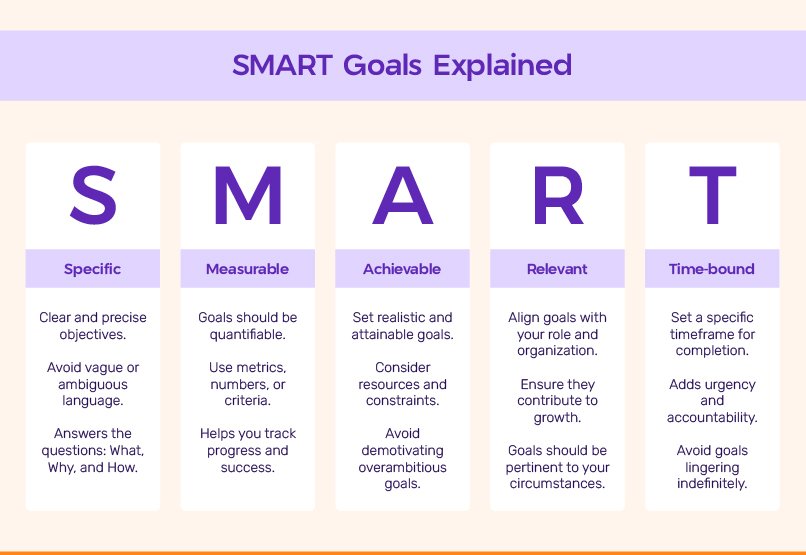
Let's break down the SMART acronym into kid-friendly terms:
- Specific: Instead of saying "I want to be good at art," a specific goal would be "I want to learn to draw a realistic animal." The more specific, the better.
- Measurable: How will they know they've achieved their goal? "I will practice drawing animals for 30 minutes, three times a week."
- Attainable: Is the goal realistic given their current skills and resources? A child who's never drawn before probably can't realistically aim to paint a gallery-worthy portrait in a month.
- Relevant: Does the goal align with their interests and values? If a child hates reading, forcing them to read ten books this month isn't relevant to their enjoyment of education.
- Time-bound: When do they want to achieve the goal? "I will learn to draw a realistic animal by the end of the month."
Age-Appropriate SMART Goal Examples for Kids
The kinds of goals kids can set, and the way they approach them, will naturally vary depending on their age and developmental stage. Here are a few examples:
Elementary School (Ages 5-10):
- Reading: "I will read for 15 minutes every day after school to finish my chapter book by the end of the week."
- Math: "I will learn my multiplication facts up to 5 by practicing flashcards for 10 minutes a day for two weeks."
- Social Skills: "I will say hello and ask one question to a new classmate each day this week during recess."
Middle School (Ages 11-13): - Academics: "I will improve my grade in science by studying for 30 minutes, three times a week, leading to a B+ or higher on the next test in three weeks."
- Music: "I will learn to play a simple song on the guitar by practicing for 20 minutes every day for a month."
- Fitness: "I will run for 20 minutes, twice a week, for the next month to improve my stamina and lower my mile time."
High School (Ages 14-18): - College Prep: "I will research three potential colleges that offer my desired major each week for the next month, creating a shortlist by [date]."
- Job Skills: "I will apply for one part-time job or internship each week for the next two months to gain work experience."
- Personal Finance: "I will save $50 per month from my allowance or part-time job for the next six months to buy a new guitar."
Practical Tips for Guiding Kids in Setting SMART Goals
Helping children set effective SMART goals requires patience, encouragement, and a willingness to adapt the process to their individual needs. Here's a playbook to support them:
- Start with interests: Encourage them to choose goals that align with their passions.
- Brainstorm together: Help them identify potential goals and explore different options.
- Break it down: Assist them in breaking down large goals into smaller, more manageable steps.
- Provide resources: Offer the tools and support they need to succeed, such as books, online resources, or mentorship.
- Celebrate progress: Acknowledge and celebrate their accomplishments along the way, no matter how small.
- Adjust as needed: Be flexible and willing to adjust goals if they prove to be too challenging or not relevant.
- Focus on the process: Emphasize the importance of effort, perseverance, and learning from mistakes, rather than solely focusing on the outcome.
- Use Visual Aids: Create posters or charts to track progress toward goals. Allow kids to decorate them and make them their own.
- Regular Check-ins: Schedule regular short meetings to discuss progress, challenges and needed adjustments.
Fostering a Growth Mindset: The Key to Long-Term Success
A growth mindset – the belief that abilities and intelligence can be developed through dedication and hard work – is crucial for helping kids embrace challenges and persevere in the face of setbacks. Encourage children to view failures as opportunities for learning and growth, rather than as indicators of their limitations.
Common Hurdles and How to Overcome Them
Even with the best intentions, kids may encounter challenges when setting and pursuing goals. Here are some common obstacles and strategies for overcoming them:
- Lack of motivation: Help them connect their goals to their passions and values. Offer encouragement and celebrate their progress.
- Fear of failure: Reframe failure as a learning opportunity. Emphasize the importance of effort and perseverance, rather than solely focusing on the outcome.
- Distractions: Help them create a focused environment and manage distractions. Teach them time management skills and the importance of prioritizing tasks.
- Overwhelm: Break down large goals into smaller, more manageable steps. Focus on one step at a time and celebrate each accomplishment along the way.
- Procrastination: Help them identify the underlying causes of procrastination and develop strategies for overcoming it, such as setting deadlines, breaking tasks into smaller chunks, and rewarding themselves for completing tasks.
Quick Answers: FAQs About SMART Goals for Kids
- Q: At what age can kids start setting SMART goals? A: It depends on the child's development, but generally around age 7 or 8, kids can grasp the basic concepts. Simplify the language and focus on short-term goals initially.
- Q: What if my child's goal is too ambitious? A: Gently guide them to adjust the goal to make it more attainable. Help them break it down into smaller steps and celebrate their progress along the way. You can also discuss the difference between "dream goals" and "SMART goals," teaching them to have both.
- Q: How do I keep my child motivated when they lose interest in their goal? A: Remind them of the reasons they set the goal in the first place. Help them find ways to make the process more enjoyable, such as incorporating games or rewards.
- Q: My child is afraid of failure. How can I help them? A: Emphasize that failure is a natural part of the learning process. Help them reframe failures as opportunities for growth and learning, rather than as indicators of their limitations.
A Quick Start Guide to Goal Setting with Kids
Ready to help your child start setting SMART goals? Here's a simple framework you can use:
- Discuss their interests: What are they passionate about? What do they want to achieve?
- Choose one goal: Select a goal that aligns with their interests and is realistic given their current skills and resources.
- Apply the SMART framework: Work together to define the goal using the SMART criteria: Specific, Measurable, Attainable, Relevant, and Time-bound.
- Create a plan: Break down the goal into smaller, manageable steps.
- Track progress: Use a chart, calendar, or other visual aid to track progress.
- Celebrate success: Acknowledge and celebrate their accomplishments along the way.
By following these steps, you can empower your child to set meaningful goals, develop valuable life skills, and achieve their full potential. It’s about more than just the finish line; it’s about nurturing a mindset of growth, resilience, and self-belief that will serve them well throughout their lives.