Middle school can feel like a whirlwind of new subjects, social challenges, and figuring out who you are. It's easy to get lost in the shuffle. But what if you had a secret weapon to navigate these years with confidence and purpose? Enter smart goals for middle school students: a simple yet powerful tool for achieving anything you set your mind to.
At a glance:
- SMART goals are specific, measurable, achievable, relevant, and time-bound.
- They help you stay focused, motivated, and organized.
- Setting SMART goals improves time management and builds self-confidence.
- This article provides numerous real-world examples you can adapt today.
What Are SMART Goals, Exactly?
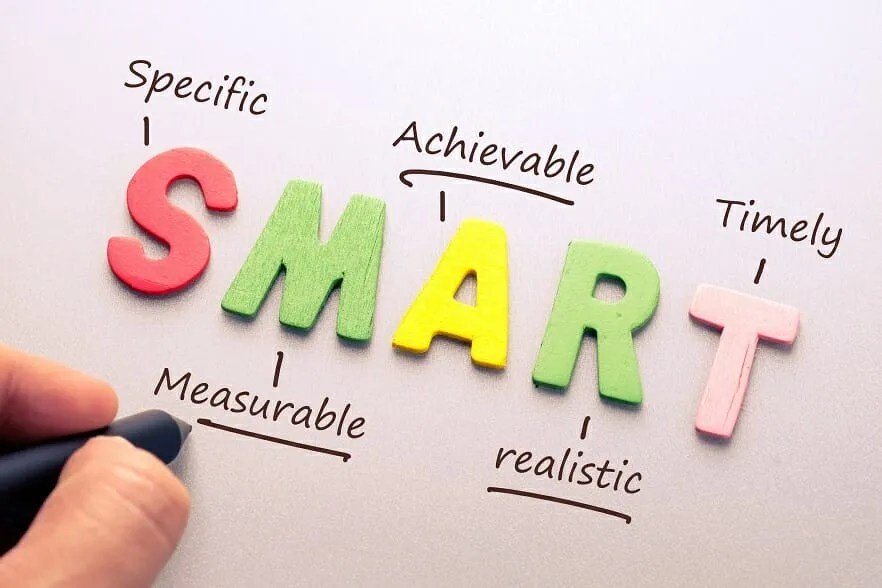
SMART is an acronym that breaks down the key elements of effective goal-setting. Instead of vague aspirations like "get better grades," SMART goals provide a clear roadmap for success. Here's a closer look at each component:
- Specific: The more detailed your goal, the better. Instead of "learn Spanish," try "learn 20 new Spanish vocabulary words each week."
- Measurable: How will you track your progress? Numbers are your friend here. For example, "read one book per month" is measurable.
- Attainable: Be realistic. Trying to do too much too soon can lead to discouragement. Is your goal actually possible given your time and resources?
- Relevant: Does this goal align with your interests and values? Is it something you genuinely want to achieve?
- Time-bound: Set a deadline. "Complete my science project by Friday at 5 PM" is time-bound.
Why Should Middle Schoolers Bother With SMART Goals?
Honestly, middle school is tough enough. Why add another thing to your plate? Because setting SMART goals can actually reduce stress and anxiety by giving you a sense of control and direction. Here’s how:
- Direction and Clarity: Instead of feeling overwhelmed by the big picture, SMART goals break things down into manageable steps. It's like having a GPS for your life!
- Motivation Boost: Checking off accomplishments, no matter how small, creates a positive feedback loop. Each success fuels your desire to keep going.
- Better Time Management: When you know what you need to do and when you need to do it, you’re less likely to procrastinate and more likely to use your time effectively.
- Overcoming Obstacles: SMART goals help you anticipate potential challenges and develop strategies to overcome them. Set Achievable Goals
Real-Life Examples of SMART Goals for Middle Schoolers
Okay, enough theory. Let's get practical. Here are some examples across different areas of middle school life to spark your own goal-setting:
Academic Excellence
- Math: "Improve my math grade from a B to an A by completing all homework assignments and attending one after-school tutoring session per week for the next 8 weeks."
- English: "Read for 30 minutes every evening before bed and increase my reading comprehension score by 10% on the next test in 6 weeks."
- Science: "Complete one extra credit science assignment per month for the next three months and raise my grade average by one letter grade."
- History: "Dedicate 30 minutes every Sunday to reviewing the week's history notes and score at least 85% on the next history quiz in two weeks."
Personal Development - Public Speaking: "Volunteer to give a presentation in class once a month for the next three months to improve my public speaking skills."
- Organization: "Spend 15 minutes every Friday afternoon organizing my backpack and locker to maintain tidiness throughout the school year."
- Time Management: "Use a planner to schedule all homework assignments and extracurricular activities each week and complete all tasks by their deadlines."
- Resilience: "Each month, try a new activity outside of my comfort zone, such as joining a club or trying out for a sports team, to build my resilience over the next 10 months."
Community Engagement - Volunteering: "Volunteer at the local animal shelter for two hours every other Saturday for the next six months."
- Environmental Awareness: "Participate in the school recycling program by collecting recyclable materials from classrooms once a week for the remainder of the semester."
- Fundraising: "Organize a bake sale with my friends to raise $100 for a local charity by the end of the month."
Creative Pursuits - Art: "Complete one art project per month, experimenting with different mediums like painting, drawing, and sculpture, to build an art portfolio by the end of the school year."
- Music: "Practice playing my instrument for 30 minutes every day and learn three new songs by the end of the semester."
- Writing: "Write one short story per week and submit it to the school literary magazine by the submission deadline."
Health and Wellness - Physical Activity: "Walk or bike to school three days a week for the next month to increase my physical activity level."
- Healthy Eating: "Eat one serving of fruits or vegetables with every meal and snack for the next two weeks."
- Sleep: "Go to bed by 10:00 PM every night to get at least 8 hours of sleep and improve my focus in class."
More Examples and Adaptations
Here's a wider range of examples, adaptable to your specific circumstances and interests: - Study Habits: "Implement a personalized study plan, dedicating one hour each weeknight to review materials and complete assignments, for the next 12 months."
- Financial Literacy: "Commit 20 minutes each week to learning basic financial principles through online resources and create a personal budget by the end of the semester."
- Digital Citizenship: "Engage in the monthly digital citizenship club at school, creating social media posts promoting responsible online behavior, for the next six months."
- Cultural Appreciation: "Curate a monthly cultural exchange club at my school, exploring the customs and cuisines of different countries around the world, throughout the academic year."
- Self-Awareness: "Maintain a weekly journal for self-reflection, writing about my thoughts, feelings, and experiences, to enhance my self-awareness over the next eight months."
- Social Skills: "Participate in a monthly social skills workshop offered at school or in the community to refine my communication and interpersonal skills for the next 9 months."
- Science/Technology: "Embark on monthly exploration projects in science or technology, conducting experiments and researching new innovations, to expand my knowledge over the next two years."
- Typing Speed: "Increase my typing speed from 30 words per minute to 50 words per minute by practicing for 15 minutes each day for the next month."
- Memorization: "Memorize and recite 5 new vocabulary words each day for the next two weeks." SMART Goals for Kids
- Complete Reading Assignments: "Complete all assigned reading for English class by the assigned due date."
- Get an A on my next Psychology Essay: "Use the essay rubric to plan, draft, and revise my next psychology essay to ensure an 'A' grade."
- Borrow and Read One Library Book: "Borrow one book per month from the library for six months and read it fully in order to deepen my knowledge of a specific topic."
Making SMART Goals Work for YOU: A Step-by-Step Guide
Ready to put the SMART framework into action? Here’s a simple process:
- Brainstorm: Start by listing all the things you want to achieve, big or small. Don't censor yourself; just get your ideas down on paper.
- Choose a Goal: Select one goal from your list to focus on. Pick something that genuinely excites you.
- SMART-ify It: Now, run your chosen goal through the SMART filter:
- Specific: What exactly do you want to achieve?
- Measurable: How will you track your progress?
- Attainable: Is it realistic?
- Relevant: Is it important to you?
- Time-bound: When do you want to achieve it?
- Write it Down: Put your SMART goal in writing. This makes it more real and keeps you accountable.
- Break It Down: Divide your goal into smaller, more manageable steps. This makes the overall task less daunting.
- Track Your Progress: Regularly monitor your progress and make adjustments as needed. Celebrate your successes along the way!
- Reward Yourself: When you achieve your goal, reward yourself with something you enjoy. This reinforces positive behavior and motivates you to set new goals.
Common Mistakes to Avoid When Setting SMART Goals
Even with the best intentions, it’s easy to stumble. Here are some common pitfalls to watch out for:
- Setting Unrealistic Goals: Be honest with yourself about what you can realistically achieve given your current circumstances.
- Making Goals Too Vague: If your goal isn't specific enough, you won't know where to start or how to track your progress.
- Ignoring Your Interests: If your goal doesn't align with your interests and values, you're less likely to stay motivated.
- Forgetting to Write It Down: Writing down your goal makes it more tangible and keeps you accountable.
- Not Tracking Progress: If you don't track your progress, you won't know if you're on track or if you need to make adjustments.
- Giving Up Too Easily: Achieving goals takes time and effort. Don't get discouraged by setbacks; learn from them and keep moving forward.
SMART Goals: Addressing Common Questions
- Q: What if I don't achieve my goal by the deadline?
- A: That's okay! Life happens. Re-evaluate your goal, adjust the deadline if needed, and keep going. The important thing is to keep learning and growing.
- Q: Can I have more than one SMART goal at a time?
- A: Yes, but start with a few key goals. Trying to juggle too many goals can be overwhelming. Focus on quality over quantity.
- Q: How often should I review my SMART goals?
- A: At least once a week. This helps you stay on track and make adjustments as needed.
- Q: What if my interests change?
- A: That’s perfectly normal! Your goals should evolve as you grow and change. Don’t be afraid to adjust or even abandon a goal if it no longer aligns with your interests.
The Power of Reflection: Turning Setbacks into Stepping Stones
Sometimes, despite your best efforts, you might not reach a SMART goal. This isn't failure; it's an opportunity to learn. Take some time to reflect on what happened:
- What went well? Identify the things you did right. Recognizing your successes builds confidence and provides valuable insights.
- What could have gone better? Be honest about the challenges you faced and the mistakes you made.
- What did you learn? Extract the key lessons from your experience.
- How will you apply these lessons in the future? Use your newfound knowledge to set more effective goals and overcome future obstacles.
Turning Goals into Reality: Your Action Plan
Setting SMART goals is just the first step. The real magic happens when you put them into action. Here’s how to turn your goals into reality:
- Create a Visual Reminder: Post your SMART goal in a visible place, such as your bedroom wall, your planner, or your phone's home screen. This will serve as a constant reminder of what you're working towards.
- Find an Accountability Partner: Share your goal with a friend, family member, or teacher who can provide support and encouragement.
- Celebrate Small Victories: Acknowledge and celebrate your progress along the way. This will help you stay motivated and build momentum.
- Don't Be Afraid to Ask for Help: If you're struggling to achieve your goal, don't hesitate to ask for help from teachers, counselors, or other trusted adults.
- Visualize Success: Take a few minutes each day to visualize yourself achieving your goal. Imagine how it will feel and what you will accomplish. This can help you stay focused and motivated.
Beyond Middle School: The Lifelong Value of SMART Goals
The skills you develop by setting SMART goals in middle school will serve you well throughout your life. Whether you're pursuing higher education, starting a career, or tackling personal challenges, the ability to set clear, achievable goals will be invaluable.
By mastering the SMART goal-setting method now, you’re investing in your future success and happiness. You're not just learning what to achieve, you're learning how to achieve it. And that's a skill that will pay dividends for years to come. Now that you know all about SMART Goals for Kids, get started today!