For the bigger picture and full context, make sure you read our main guide on Sample Goals And Objectives: Simple Examples To Guide You.
markdown
Feeling overwhelmed by the scope of your work and struggling to see measurable progress? You're not alone. Social work demands a lot, but using smart goals social work examples can turn broad aspirations into manageable, impactful steps. This isn't just about checking boxes; it's about focusing your energy for maximum client benefit and professional growth.
At a glance:
- Master the SMART framework (Specific, Measurable, Achievable, Relevant, Time-bound) for social work.
- Discover practical examples across client advocacy, community engagement, and personal wellness.
- Learn to overcome common barriers and adapt goals to diverse settings.
- Create your own actionable plan to achieve meaningful results.
Why SMART Goals Matter in Social Work
Social workers often juggle numerous responsibilities, from direct client support to community outreach and administrative tasks. Without a structured approach, it's easy to feel scattered and lose sight of intended outcomes. SMART goals offer a clear roadmap. They provide direction, enhance accountability, and allow you to celebrate progress along the way. They transform worthy intentions into targeted action, helping to maximize your impact. See example goals and objectives for a broader understanding of goal setting.
Deconstructing the SMART Framework for Social Workers
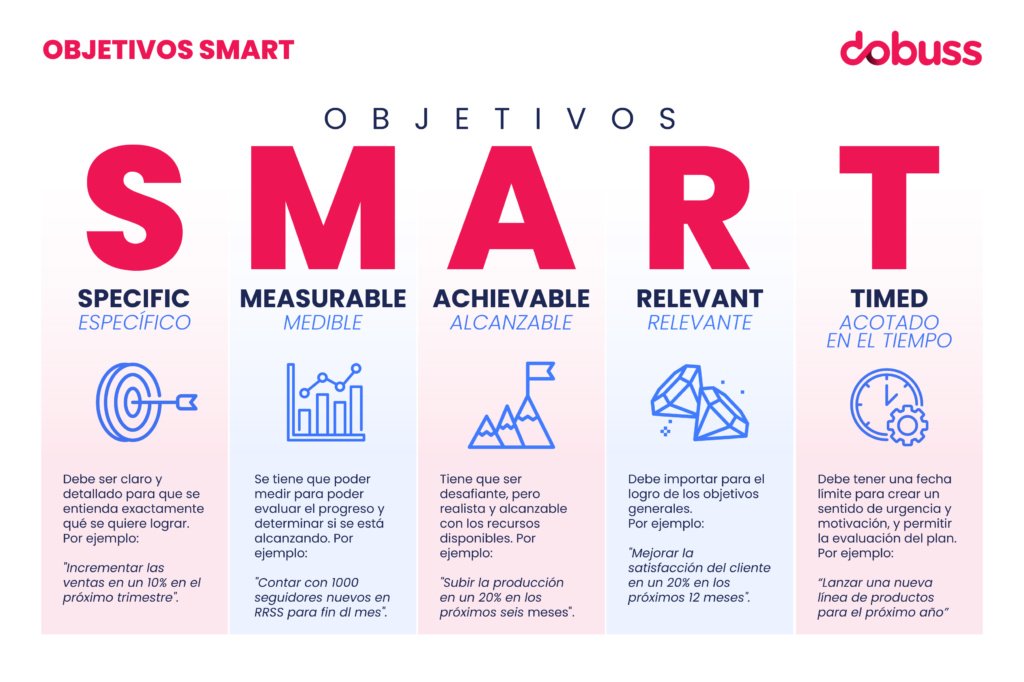
Let's break down what each element of the SMART acronym means in the context of social work:
- Specific: A vague goal like "improve client well-being" is hard to act on. Instead, define exactly what you want to achieve. For example, "Increase the number of clients connected with affordable housing resources."
- Measurable: How will you know if you've succeeded? Quantify your goal. For instance, "Connect 10 clients with affordable housing resources within the next three months."
- Achievable: Be realistic. Consider your resources, time constraints, and the current environment. Aim high, but don't set yourself up for failure. Example: "Given current staffing, connecting 10 clients is an achievable target."
- Relevant: Does this goal align with your values, your organization's mission, and your clients' needs? Make sure it's meaningful. Example: "Connecting clients with housing directly addresses their basic needs and aligns with the agency's mission to promote stability."
- Time-bound: Set a deadline. This creates urgency and helps you stay on track. Example: "Connect 10 clients with affordable housing resources within the next three months, ending December 31st."
SMART Goals: Real-World Social Work Examples
Here are some specific scenarios demonstrating SMART goal application:
1. Client Advocacy:
- Un-SMART: Advocate for clients' needs.
- SMART: "By the end of Q3, I will successfully appeal three denied Medicaid applications for my clients, resulting in them receiving necessary healthcare coverage."
2. Community Engagement: - Un-SMART: Increase community involvement.
- SMART: "Organize two community workshops on stress management techniques for caregivers, reaching at least 30 participants by the end of the year."
3. Professional Development: - Un-SMART: Improve my skills.
- SMART: "Complete a 12-hour online training course on trauma-informed care by October 31st and integrate at least three new techniques into my practice with clients."
4. Personal Wellness: - Un-SMART: Practice self-care.
- SMART: "Dedicate 30 minutes, three times per week, to mindful meditation to reduce stress and improve my ability to be present with clients."
5. Service Coordination: - Un-SMART: Improve collaboration with other agencies.
- SMART: "Establish a formal referral process with two local food banks by the end of next month, ensuring clients have quicker access to emergency food assistance."
Crafting Your Own SMART Goals: A Step-by-Step Guide
Ready to turn intentions into action? Here's a practical process:
- Identify Your Area of Focus: Where do you want to make a difference? Consider your current role, your passion, and your organization's priorities.
- Brainstorm Potential Goals: List everything that comes to mind. Don't worry about making them perfect yet.
- Apply the SMART Criteria: For each potential goal, ask yourself:
- Is it Specific? Can you define it more clearly?
- Is it Measurable? How will you track progress?
- Is it Achievable? Is it realistic given your constraints?
- Is it Relevant? Does it align with your values and priorities?
- Is it Time-bound? What's your deadline?
- Refine and Revise: Based on your answers, adjust your goals until they meet all the SMART criteria.
- Write It Down: Document your SMART goal clearly. This makes it official and increases your commitment.
- Create an Action Plan: What specific steps will you take to achieve your goal? Break it down into smaller, manageable tasks.
- Monitor and Evaluate: Regularly track your progress. Are you on track? Do you need to make any adjustments?
Overcoming Common Barriers to SMART Goal Achievement
Even with the best intentions, obstacles can arise. Here's how to handle them:
- Lack of Time: Prioritize ruthlessly. Delegate tasks when possible. Break down large goals into smaller, more manageable chunks.
- Limited Resources: Get creative. Explore free or low-cost resources. Partner with other organizations.
- Unexpected Crises: Be flexible. Adjust your timeline or scope if necessary. Focus on what you can control.
- Feeling Overwhelmed: Seek support from colleagues, supervisors, or mentors. Remember your "why"—what motivates you.
Case Snippet: A social worker aimed to increase client participation in a new job-readiness program. Initial outreach yielded low enrollment. She revisited her "Specific" and "Relevant" elements, realizing the program's location was a barrier. By partnering with a local community center and offering childcare, she saw a significant increase in participation.
SMART Goals Social Work Examples Q&A
Q: What if my goal seems too big?
A: Break it down! Divide your goal into smaller, more manageable sub-goals. This makes it less intimidating and allows you to celebrate small wins along the way. Think of it like climbing a staircase instead of scaling a wall.
Q: How often should I review my SMART goals?
A: Regularly! Aim for at least monthly reviews. This allows you to track progress, identify challenges, and make necessary adjustments. Schedule it in your calendar.
Q: What if my priorities change?
A: That's okay! SMART goals are not set in stone. Re-evaluate your goals and adjust them as needed to reflect your changing priorities and circumstances. The key is to be intentional and proactive.
Q: Should my goals always focus on big, impactful changes?
A: Not necessarily. Sometimes, the most impactful goals are about refining existing processes or improving your own well-being. Small, consistent improvements can lead to significant long-term results. Aim for a mix of ambitious and practical goals.
Your Social Work SMART Goals Playbook: Start Today
- Decision Tree:
- Identify an area for improvement (client service, professional development, etc.).
- Frame a preliminary goal.
- Ask: Is it Specific, Measurable, Achievable, Relevant, and Time-bound?
- If "no" to any, revise until it meets all criteria.
- Write your finalized SMART goal.
- Create a detailed action plan.
- Schedule regular progress reviews.
- Celebrate your successes and learn from any setbacks.
Don't let another day pass without harnessing the power of SMART goals. By applying this simple yet effective framework, you can amplify your impact, enhance your professional growth, and experience a greater sense of fulfillment in your vital role.